Litjan
-
Posts
5,720 -
Joined
-
Last visited
-
Days Won
424
Content Type
Profiles
Forums
Latest X-Plane & Community News
Events
Downloads
Store
Everything posted by Litjan
-
Glad you got it sorted out - and thanks for reporting back with the fix. I still don´t really know how all the "deleting preferences" works, but it seems to be some sort of magic fix for a lot of things. I wish that would work in real life, too. I had my second simulator session last night for requalification on the A320 and the brand-new A320 NEO simulator we had developed a software problem mid-session. Some buttons didn´t work, couldn´t use the transponder panel, stuff like that. The technicians had to run several resets and we had to wait 45 minutes before we could resume the session...got home at 2 am... Cheers, Jan
-
...and I just doublechecked as I saw your post on the .org - my floodlights work fine with 11.50r3. Cheers, Jan
-
Hmm - I see a few reports of these ones in your log: 0:00:25.142 E/OBJ: ERROR: object Resources/default scenery/sim objects/apt_beacons/beacon_mil.obj has a bad light name: apt_beacon_white_mil_glow Maybe one of your light replacements or other experiments has overwritten or changed some default files? I would try these things: 1.) Try to run with the latest beta of Gizmo (run the Gizmo installer) and see if that helps 2.) Delete (remove) your preferences: https://developer.x-plane.com/2016/11/you-dont-need-to-reinstall-x-plane-to-fix-it/ 3.) Run the X-Plane installer and let it find and fix any files you have changed 4.) Doublecheck for latest Nvidia driver and HDR on (the report of "light bulb bright but no light cast" is usually a telltale sign of it not working) If all of the above steps fail, you can reinstall the aircraft - but you will probably have to reinstall X-Plane as well to cure whatever damage was done. Cheers, Jan
-
Hi Fred, I am glad to hear that! Yes, flying a fast aircraft like that takes a bit more skill - but the feeling of accomplishment is bigger as well, I feel. I have flown the real 737 for 10 years and learning to fly it went from "totally overwhelmed" to "second nature" pretty fast. So I am sure you will get the hang of it - it is really constructed quite logically and operating it, even if things break, always "makes sense"...not like in the aircraft made by that "other manufacturer" I have to fly these days . If you have anything else that gives you trouble figuring out, just let me know. Cheers, Jan
-
Hi Fred, the tutorial is very old - and the functionality may have changed in regard to the EXECute light. Basically this key will light up every time you could change an ACTIVE routing. So the first time you enter a routing, you must press the ACTIVATE prompt on the RTE page, then the EXECute button should light up. Now every change to the flightplan or even entering a different weight will make the key light up - as a way of the FMS letting you know "Hey, you changed (modified) the active routing, if you really want to do this, please press this button. Hope this helped, Jan
-
Yep, 11.50r2 currently. Are you sure that your HDR is on? Cheers, Jan
-
Yeah, I have a request for that flagged - as Cameron said, when the more important fixes are done, we will turn to these requests. Cheers, Jan
-
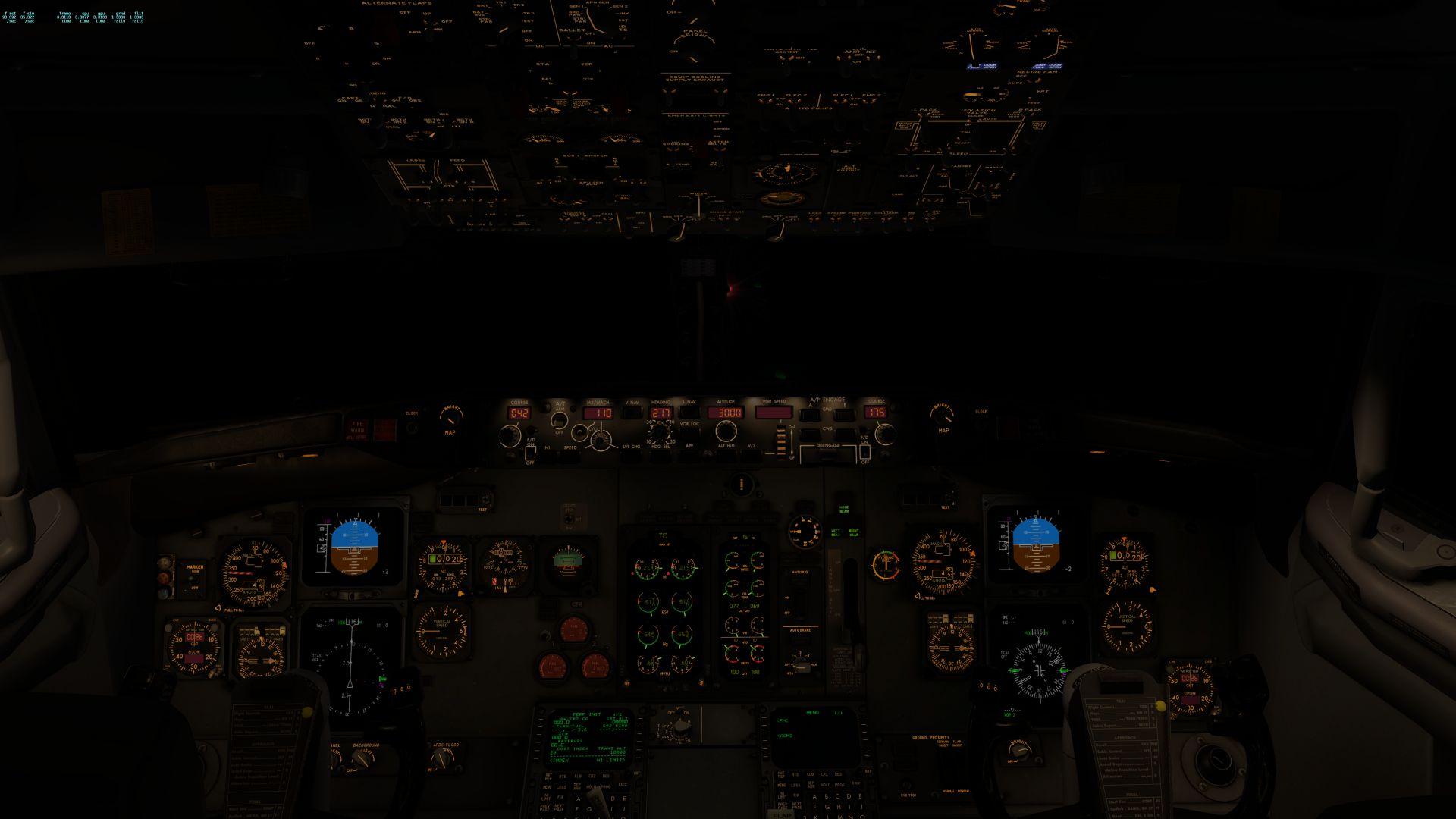
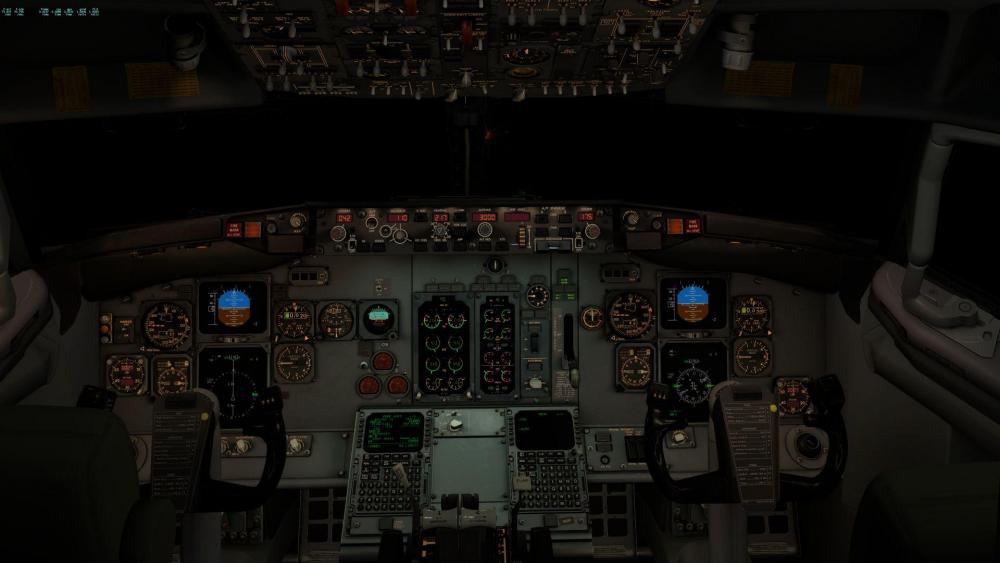
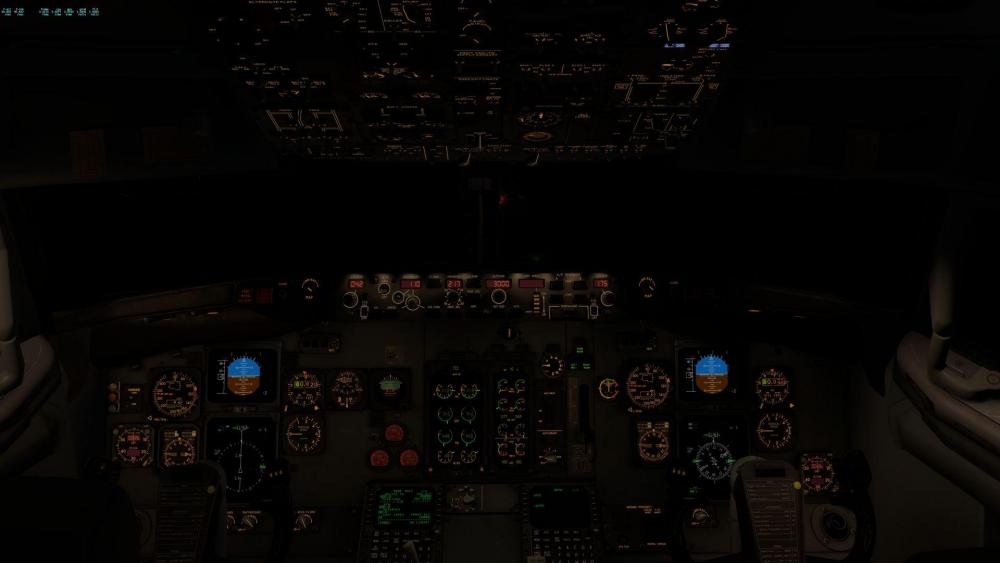
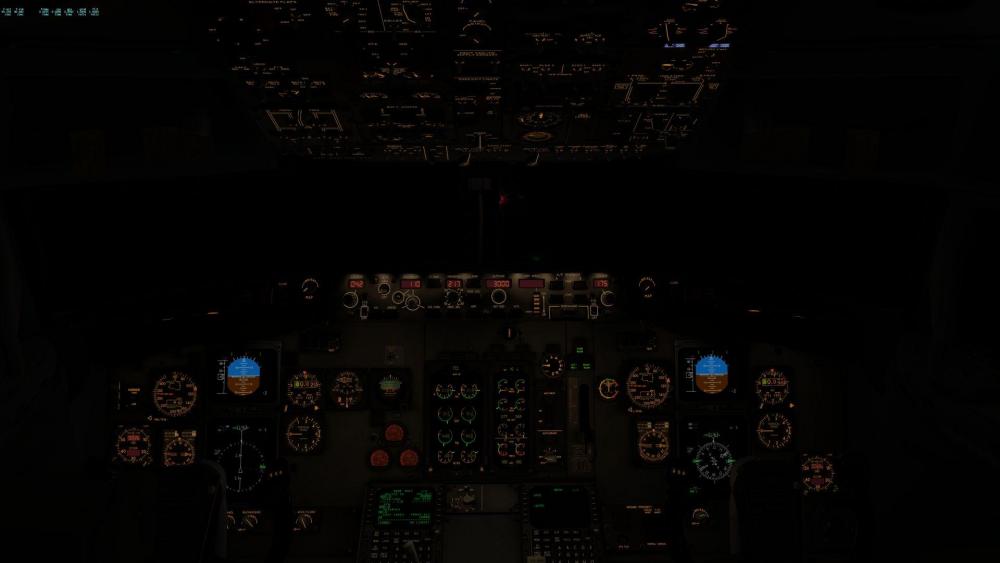
Yeah, it may be that your light scripts screwed up some settings... here is what the cockpit looks on my end. The screenshots are a lot more dark than the "live" picture, for some reason... 1.) Just background lights, no map lights: 2.) Background lights with map lights: 3.) like 2, but including flood lights on DIM 4.) all lights full bright (including flood and emergency) Cheers, Jan

-
I can confirm the issue - affects the steam gagues, not the electronic versions. Added to bug list. Thanks again, Jan
-
Hi sho, it could very well be the problem - especially now with Vulkan in the picture. Please try to run without the light mod and let us know if that helped? Thanks, Jan
-
You are probably right with your observation. It is all to human for us producers and purveyors of a product to instinctively react defensive - especially when the customer pulls the "other products..." card . It strikes a very sensitve nerve in us competitive human herd animals! It takes the patience of a Jedi to not raise your heartbeat a bit when someone says "I have this problem with your aicraft, and all the other aircraft don´t have it!". It is akin to saying "how come you guys can´t do as well as the other guys?" Nevertheless it it always correct to point out a problem that you have with a product - and sure, if we don´t acknowledge or even deny a problem - reinforce the point by making a comparison with another product. Cheers, Jan
-
Good hint, Torbinator. I don´t have SAM, so I can´t confirm, but it is always a good idea to check for plugin dependencies when a problem appears. Cheers, Jan
-

How to Report Sound Issues, or wait til FMOD Conversion
Litjan replied to Torbinator's topic in Bug Reports
Hi Torbinator, yes, we are unlikely to do extensive work on the sounds before the conversion. The biggest problem is one of resources, some users are affected more than others, and often those effects are intermittent, too - making them so much more hard to track down. Once the plane is FMOD I will count on you guys to help me catch and iron out any remaining quirks, though! Cheers, Jan- 1 reply
-
- 1
-

-
Hi sandpatch - thanks for the report! We recently "fixed" the EGT needle to show the exact same value as the digital display, maybe an error got introduced when that happened. I will verify and add to the list of things to fix. Cheers, Jan
-
Hi Logan, you have stumbled upon the "GPU bug" - we are currently investigating it and the next version of Gizmo should fix it. What happens is that after the two generator buses have been powered by the engines, it is not possible to power the LEFT gen bus again with the GPU. IF you look up while you get this "black and white" display, you will likely see that the left BUS OFF light is illuminated. This causes the avionics ventilation fans to stop, and consequently the CRTs to go into monochrome mode - same as on the real aircraft. You can recover this by powering the bus again (with the APU, for example). I know you wrote that the APU also causes this - if this is really so (please try connecting it to both buses so that the BUS OFF light is off), then we have a new bug on our hands. Hope this helps, Jan
-
Cameron is right, this can be misleading. Different aircraft are providing different methods and depth of simulation and that will show in the load on the computer hardware (i.e. framerate). We are constantly striving to improve performance and Ben Russel, the developer of Gizmo, has made great strides in this - plus we as the developer of the 737 are learning more tricks all the time as well. I am happy that the beta Gizmo brought some improvement for you. Especially with the increased "smoothness" of X-Plane (11.50 Vulkan) it has become even more important to us to not add unnecessary periodic load on the process and we still have some ideas in the pipeline. Cheers, Jan
-
Hi Janis, Try the new Gizmo Beta and see if that works better for you? For general X-Plane stuttering you can also try the 11.50 beta versions of X-Plane (Vulkan) - this will also help with stuttering. Cheers, Jan
-
Hmm, that is really weird - the one thing I would maybe try is use the latest Beta version for Gizmo and see if that helps? Cheers, Jan
-
Nose high after T/O. Any advice please?
Litjan replied to martinlest's topic in 737-300 Aircraft Systems and Operation
Hi Martin, something definitely wrong with your setup. With the CG at default - around 20% MAC (doublecheck on the "GROUND SERVICES" menu) - a trim of around 4 should not give you any problems. At the recommended trim, the speed is stable at around V2+20 kts. Initial rotation should require a definite nose-up input (up to 2/3 of full elevator), once the nose starts going up you can relax that to just a slightly nose-up input to rotate with ca. 3 deg/second. The full rotation to ca. 18 deg nose up should take you 6 seconds, roughly. Make sure you run with the "experimental flight model ON" - the plane is "tuned" for this new setting, it will soon become the default X-Plane flight model. Cheers, Jan -
Hi Panman, I am kinda curious why you don´t run the latest version of SkyMaxxPro? This is normally the first thing to do if you have a problem - check if there was an update? Maybe try that one and see if it fixes things? Cheers, Jan https://forums.x-pilot.com/forums/forum/165-skymaxx-pro/
-
Hi Cavok, most often this is caused by the customer running a plugin or addon that changes the light levels in the simulator. If you don´t know which one this may be causing it, please attach the log.txt (found in your main X-Plane folder) and I will have a look. Cheers, Jan
-
You make it sound worse than it actually is - the list is only on the first page. The other 11 pages are just our customers complaining about it . Cheers, Jan
-
Hi martinlest, let me draw your attention to a few "stickied" posts that we have to let you know whats working and what is not ;-) https://forums.x-pilot.com/forums/topic/8526-things-that-are-not-going-to-be-in-v133/ https://forums.x-pilot.com/forums/topic/18101-faq-for-new-users/ https://forums.x-pilot.com/forums/topic/17981-version-133-known-bugs-and-workarounds/ The other stickied posts are also worth reading (and watching), but these are the most important. Cheers, Jan
-
Take Command! IXEG 737 Classic v1.33 Update Released!
Litjan replied to Cameron's topic in General Discussion
Yeah, sometimes the code is weird like that - it could very well be that it somehow choked up in that particular situation when you were flying. If that ever happens again, please let us know - with as many details as possible (i.e. route entered, wether route was closed or had DISCO´s etc...) Thanks, Jan -
Take Command! IXEG 737 Classic v1.33 Update Released!
Litjan replied to Cameron's topic in General Discussion
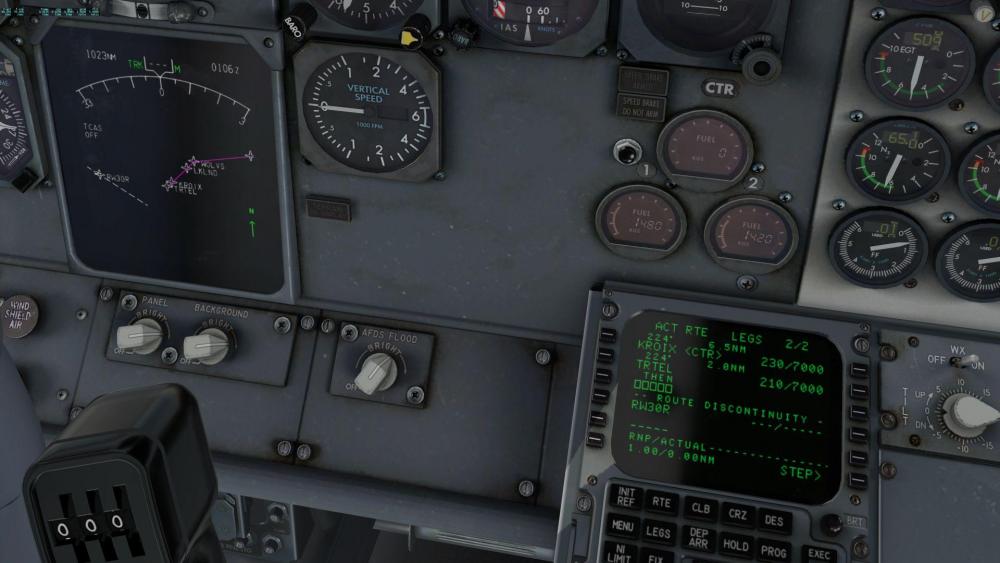
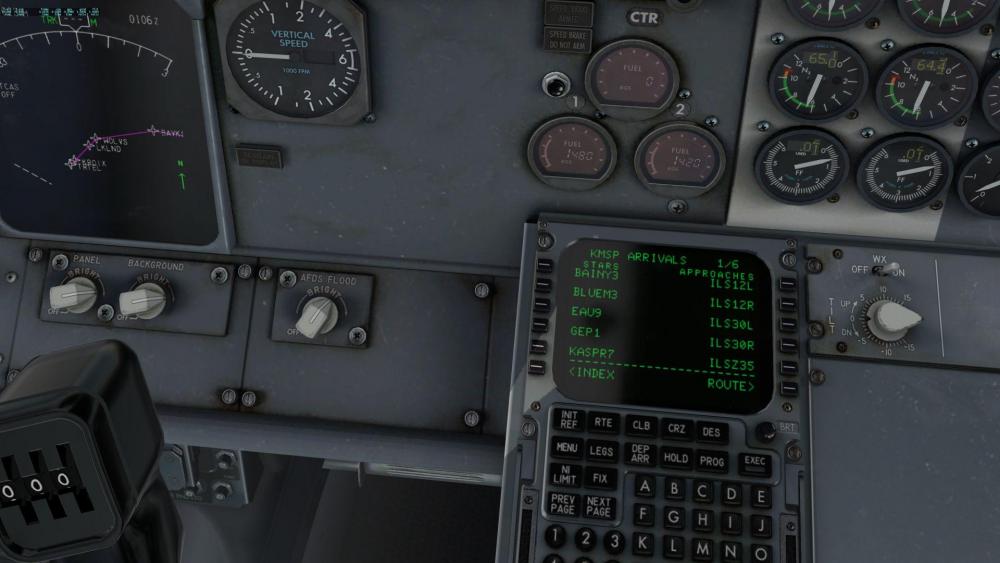
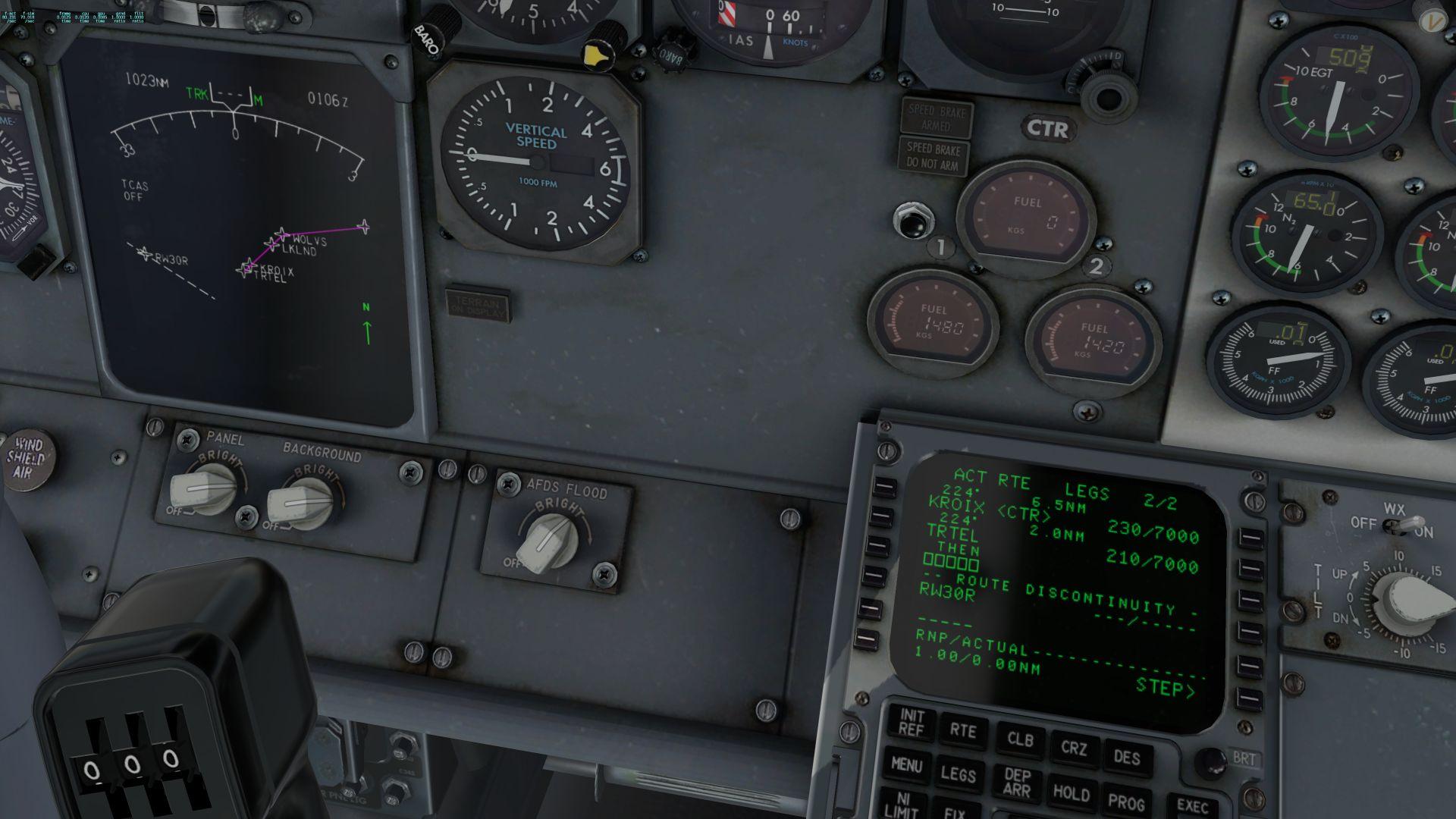
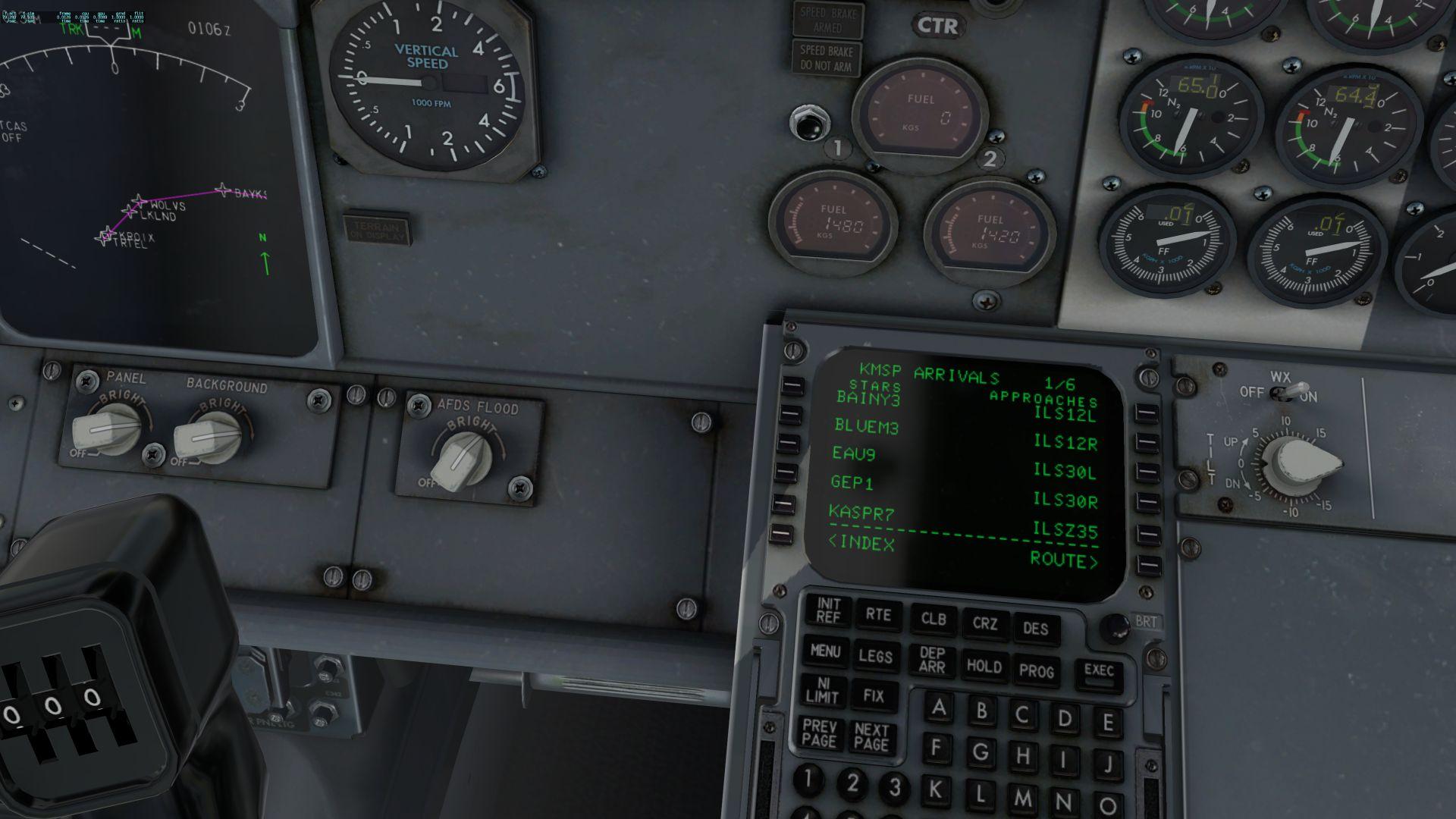
Sure - I just tried it - selected MUSCLE3 and only the runway 30R, it looks like this: When I click on DEP ARR and then next to KMSP ARR I get: Picking ILS30L works as expected for me at that point...