Coop
-
Posts
1,693 -
Joined
-
Last visited
-
Days Won
67
Content Type
Profiles
Forums
Latest X-Plane & Community News
Events
Downloads
Store
Everything posted by Coop
-
Manual can be found here! It will be bundled starting with the next update, but for V1.0.0 we needed a bit more time post final packaging of the aircraft.
-
Sorry about the delay, the new X-Aviation website was being launched with our release and had a few hiccups getting it going. But, the BN-2 Islander is now available! http://www.x-aviation.com/catalog/product_info.php/torquesim-islander-p-177
-
Yes! While with Beta Versions of X-Plane 11, there will always be some quirks and weirdnesses, we are not seeing anything major in our testing preventing the aircraft to be ran in 11.50 (that is what most of our development team is using)
-
The recording of JonFly's stream from yesterday is now available on YouTube:
-
That is something we are looking into for an update post 1.0 release!
-
This is caused by a bug in the SVS system, it is being worked on by us and HotStart and we will push a fix once it is ready.
-
That was due to the fuel pump being left on, causing a rise in fuel pressure.
-
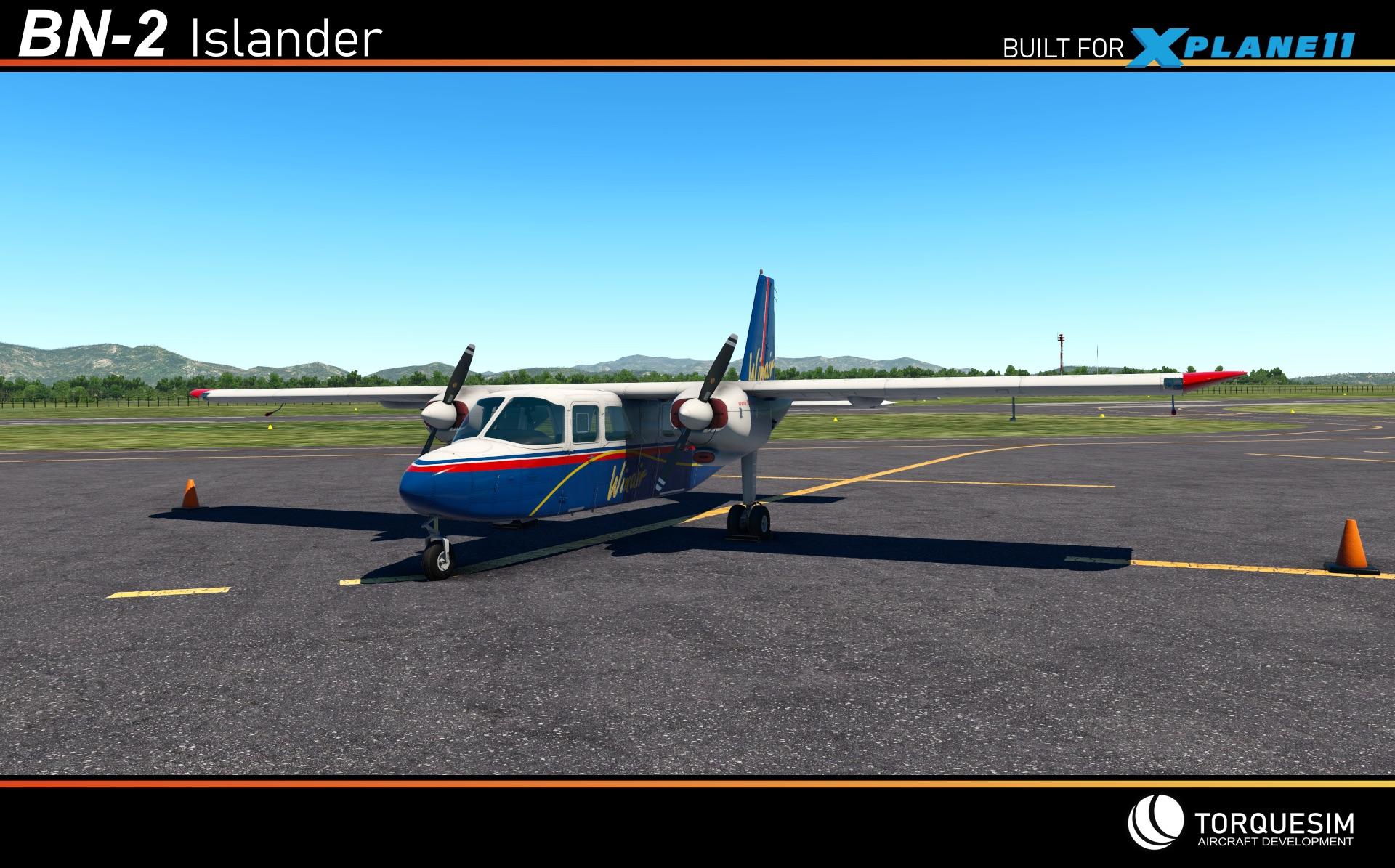
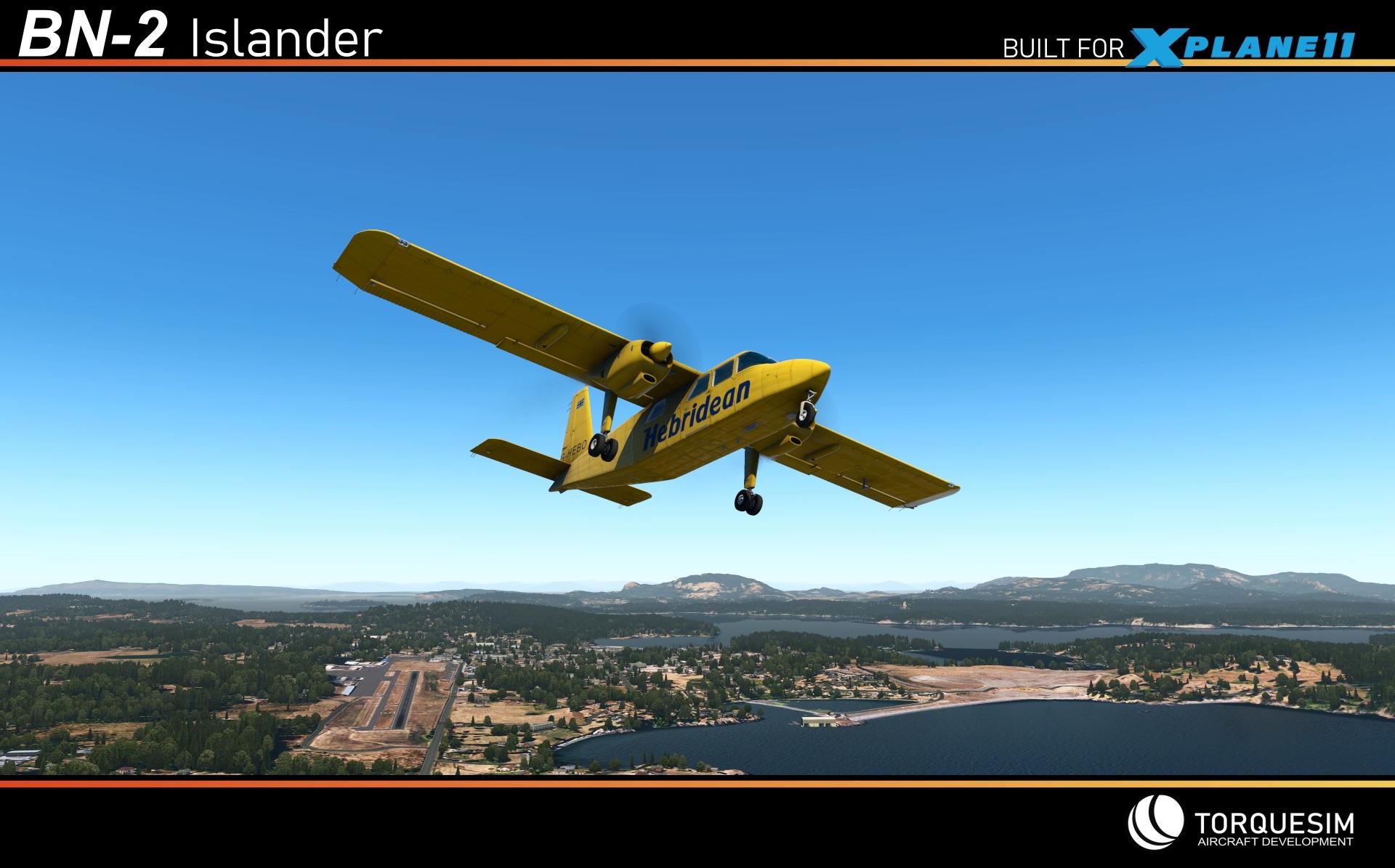
TorqueSim is excited to announce that our BN-2 Islander will release this Friday, April 24 @ 4PM EST! The BN-2 Islander is a light twin designed in the 1960’s as a regional airliner and utility aircraft, and is still widely flown today. Thanks to its rugged construction and excellent short field performance, this aircraft can be found with operators all over the world. The model simulated is the BN-2B-26, equipped with 2 Lycoming O-540 engines. The plane has an 1800 pound useful load with full tanks and can carry 9 passengers on missions with the shortest of runways. Additionally, a 730 nautical mile maximum range and 140 knot cruising speed give the Islander enormous operational flexibility. This airplane is the perfect addition to any simmer’s hangar! Feature List: Highly detailed 3D model Full PBR 4K Texturing Custom Systems, including: Fully custom electrical system, simulating the circuit breakers, buses, generators, and battery Custom fuel manager Custom lighting Custom Avionics, including: KFC225 Autopilot GTX345 Transponder KR87 ADF M800 Chronometer High-fidelity FMOD sound pack, with sounds recorded from the real aircraft Carefully tuned and tested flight model based on real life performance data and input from Islander pilots X-Plane GNS530/GNS430 AFM G5 Integration (requires a copy of the AFM G5 plugin) Custom Load Manager Persistent systems (switches return to the state which they were left) Fully custom C++ Plugin using the X-Plane SDK Includes 9 initial liveries, a blank livery, and paint-kit, with many more liveries to come after release! See some of the liveries here Long-term support, as well as additional features and updates planned, including RealityXP Support



-
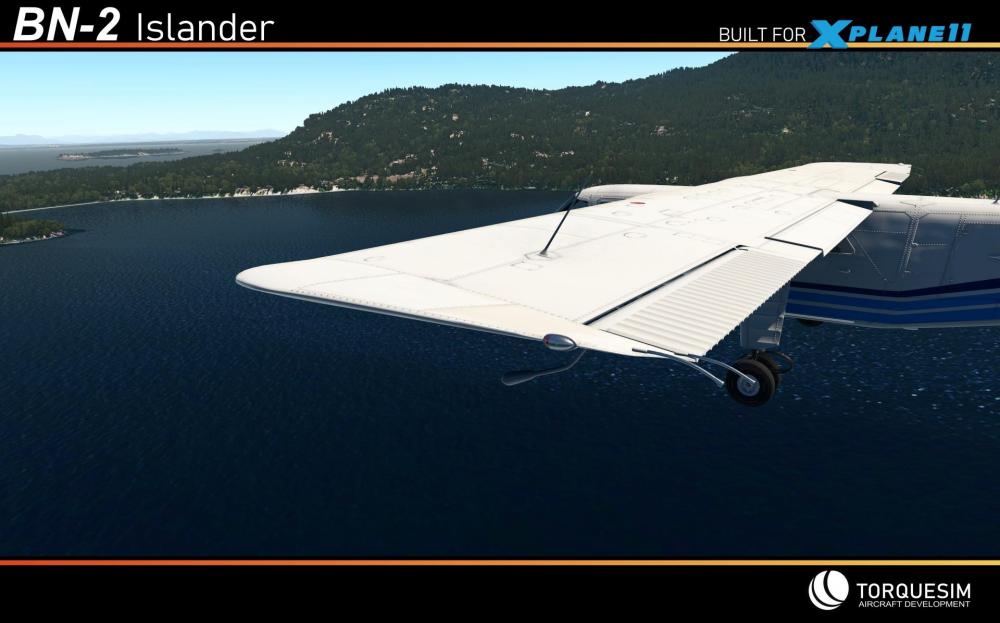
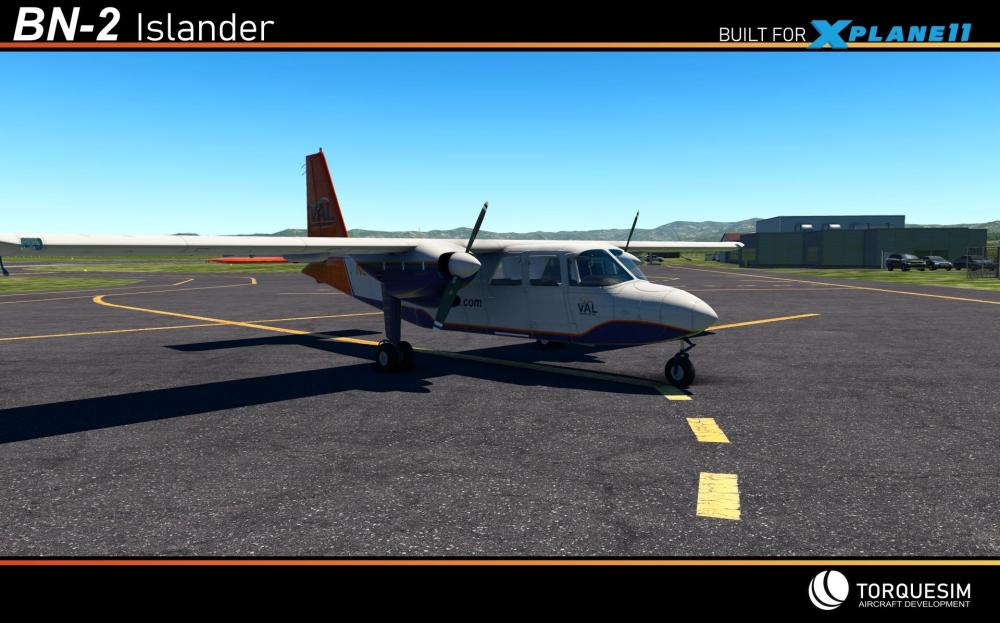
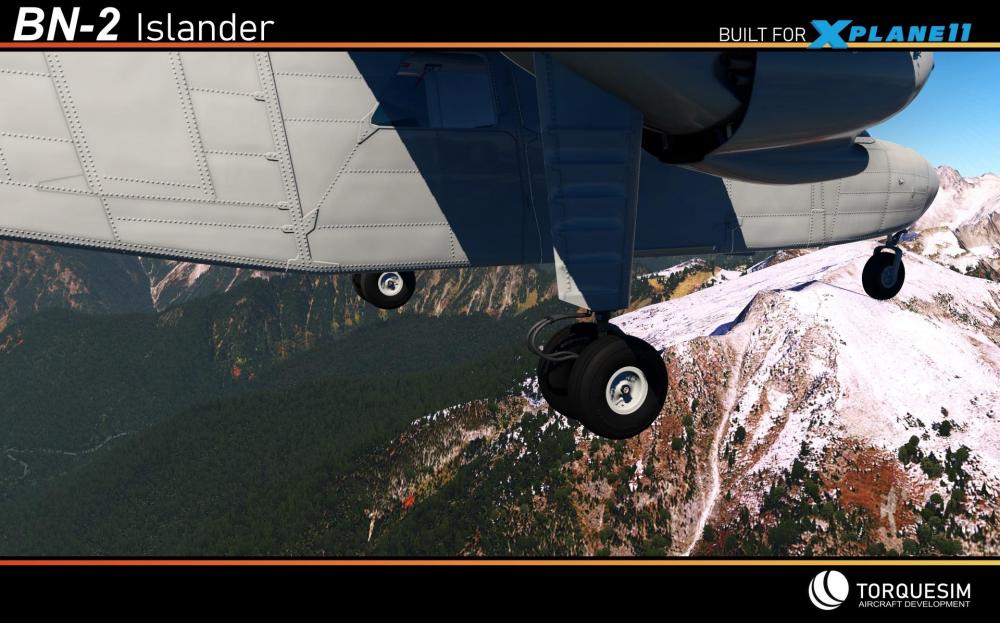
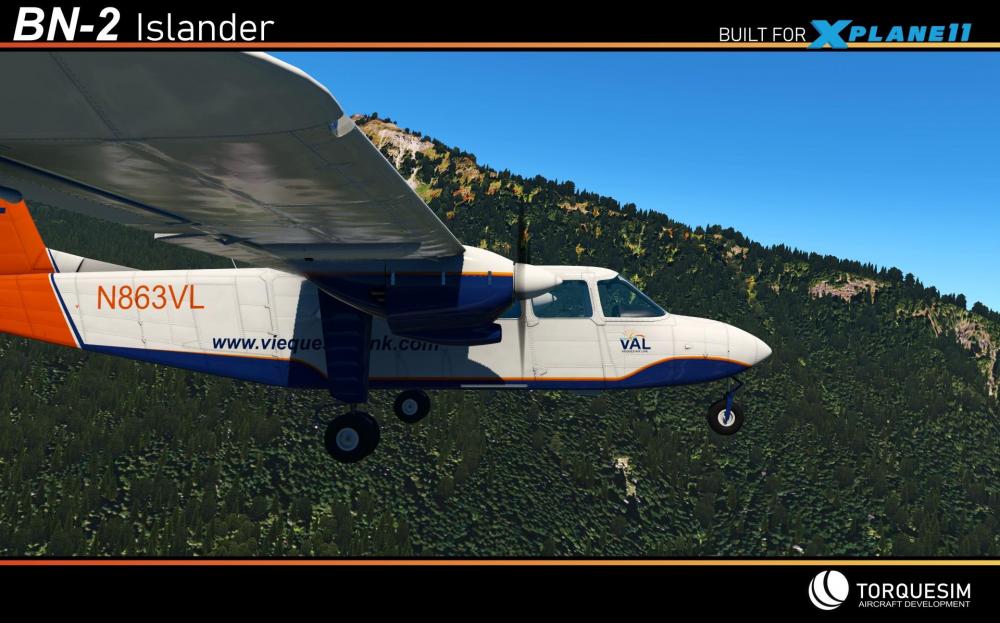
It’s been quite a while since we last posted an update on the Islander project, and we’ve been hard at work on it. About two weeks ago, we were finally able to send the first beta version off to our testers, and have since incorporated much of their feedback into the project. Testers found a variety of smaller bugs, and one or two bigger issues to spice things up. During this time, we also undertook a complete rebuild and cleanup of the fuselage 3D meshes. These were still unchanged from the very early stages of the project. Although this was a very time consuming undertaking, we think the results speak for themselves, and the new look definitely improves the ramp presence and proportions of our Islander. Apart from bugs getting fixed, there’s a new feature we’d like to show off. The Islander has very prominent and visible external hydraulic lines for the main gear brakes. These are a recognisable feature of the aircraft, and one we felt definitely needed to be included. After some internal development, we’re proud to say that we’ve been able to recreate flexible brake lines. The effect is amazing to witness in action, especially considering the limitations of X-Plane’s animation system when it comes to such things. In the past weeks, we’ve also made enormous progress on the plugins for the Islander’s systems. Most of the avionics are custom coded now, with only graphics left to integrate to make them fully functional. Various custom datarefs ensure realistic operation and readouts of core systems, especially within the electric system. A custom but lightweight menu further allows for features such as anti-icing gear (including switches and breakers) and 3d passengers to be toggled on and off, and includes a load manager for easy configuration of weight and balance. In addition, the flight model is coming along nicely. Careful tuning of the airfoil using real NACA data allows for dynamic handling at various airspeeds, from near stall to high cruise, and accurate control deflections give realistic pitch and roll rates. With some help from the Islander pilots in our testing team, we’ve also tuned X-Plane’s engine model to perform as close as possible to the real thing. Some time ago now, we received high quality audio recordings of an actual Islander, and the sound pack is nearly complete! The plane would not be the same without the characteristic rumble of two O-540’s, and we’re as excited as you to hear her in all her glory! This week, we hope to finish plugin integration, bug fixing, fine tuning, and of course, FMOD! Now, I could go on and on about all the effort we’re putting into this project, but I think it’s better to let our screenshots do the rest of the talking.

-
- 2
-

-
Currently, we read the altitude set dataref provided by X-Plane to ensure compatibility with many different aircraft (that may use a custom A/P, or where we couldn't modify that value) We are planning on adding a configuration setting to allow proper rounding of the altitude preselect so it can be enabled on aircraft that should have it.
-
I see the XGS Landing Speed Plugin is installed, that plugin prevents our plugin from loading. Removing that should solve the issue Regarding 11.50, currently we have an issue with the SVS system we are working on in Vulkan for the G1000 aircraft. The planes should work in OpenGL mode.
-
That seems to sound like something might have got messed up with the main plugin. Please upload the log.txt file located in the X-Plane 11 folder after running the aircraft so we can get an idea of what is going on
-
Hardware requirements have not been set, but we are trying to make it as light weight as we can, while not sacrificing quality. A significant majority of our systems code is all multithreaded to help those who are CPU limited.
-
Thanks for this breakdown! Regarding these: Course selector > 360 -- Bug filed on that, will get that rolled into a coming update HSI flag for bad signal -- The problem we have been dealing with is that we can only display the limited information available via the X-Plane Datarefs, where the real G5 is connected to these GPSs and gets much more reliable information. DME measurement on LOC -- Bug files, we will look into that. Again, this is probably a dataref thing (we aren't doing any DME calculation ourself, we are just reading what X-Plane tells us) but we will see if there is a better dataref we can use CRS display - Yes, we are working to implement the changes made with the latest revisions of the G5 Thanks again for the feedback
-
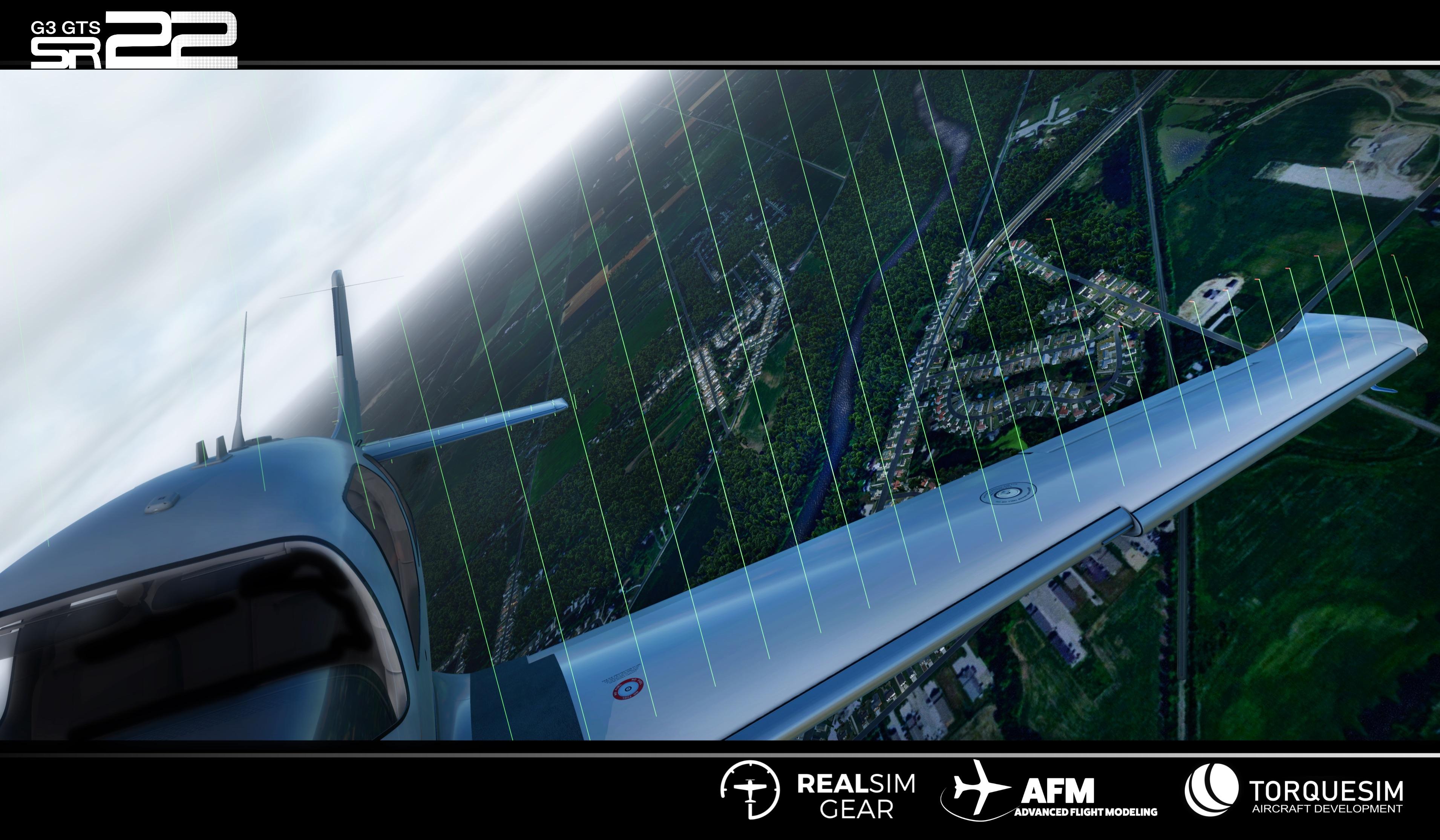
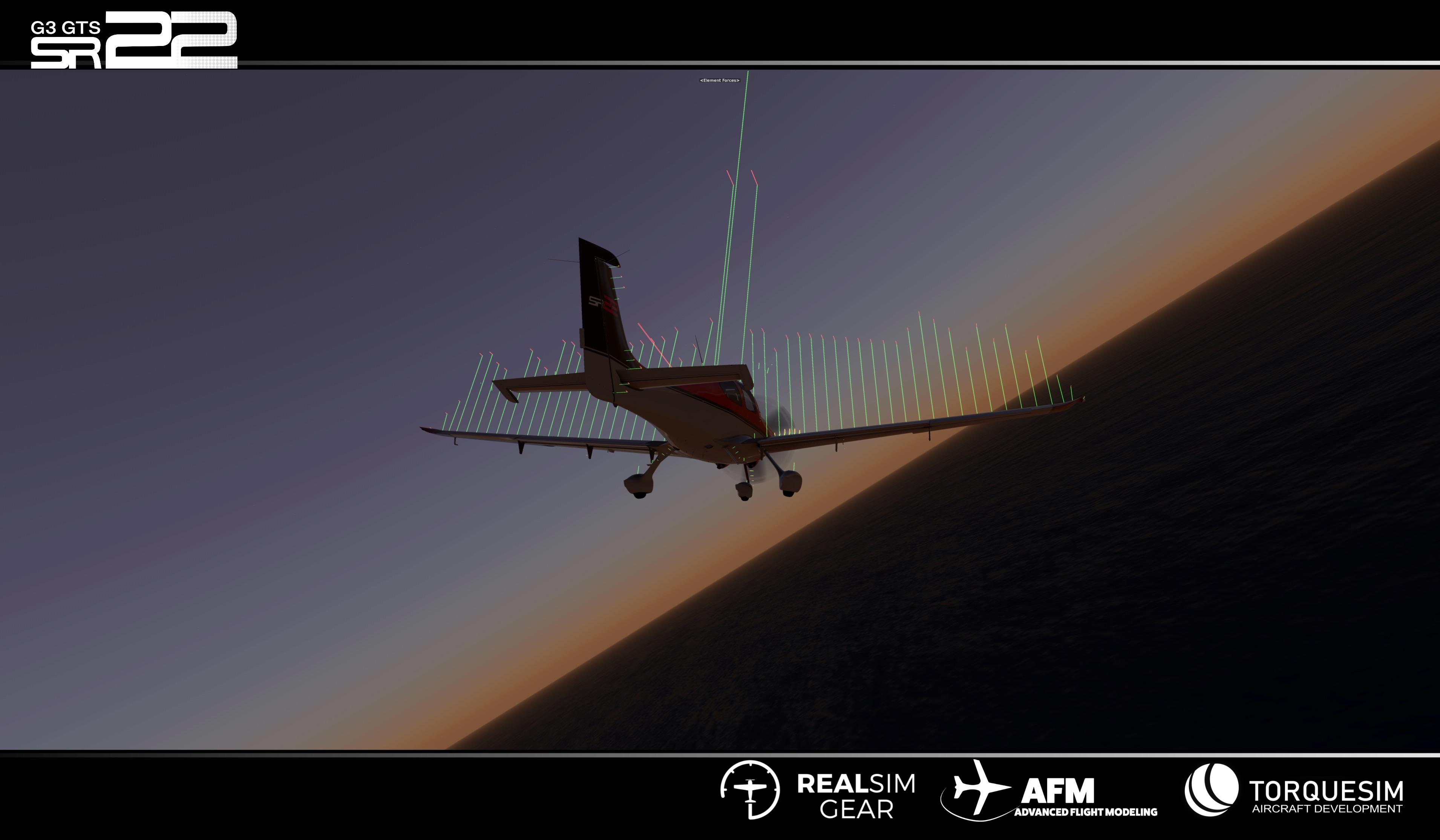
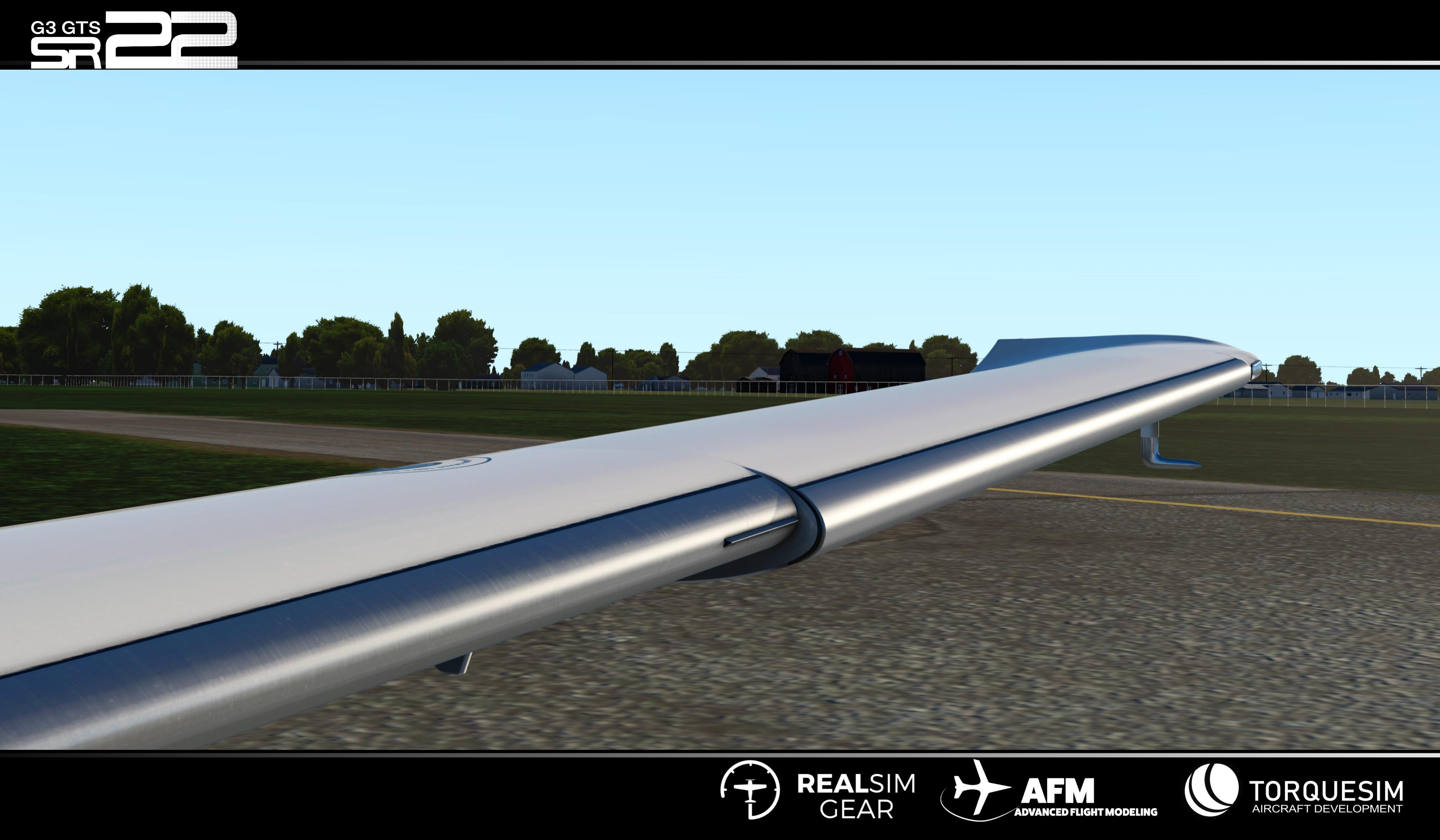
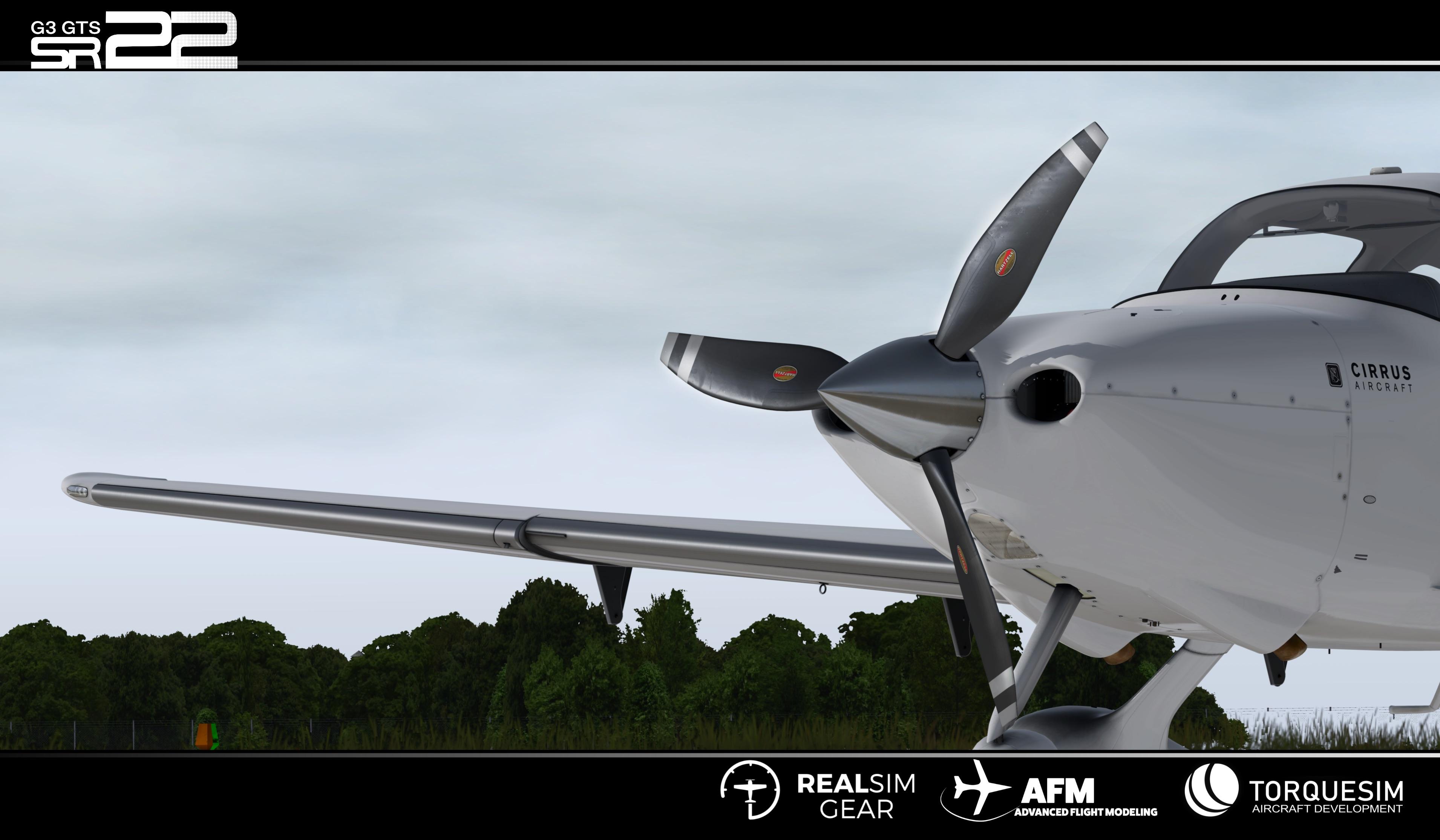
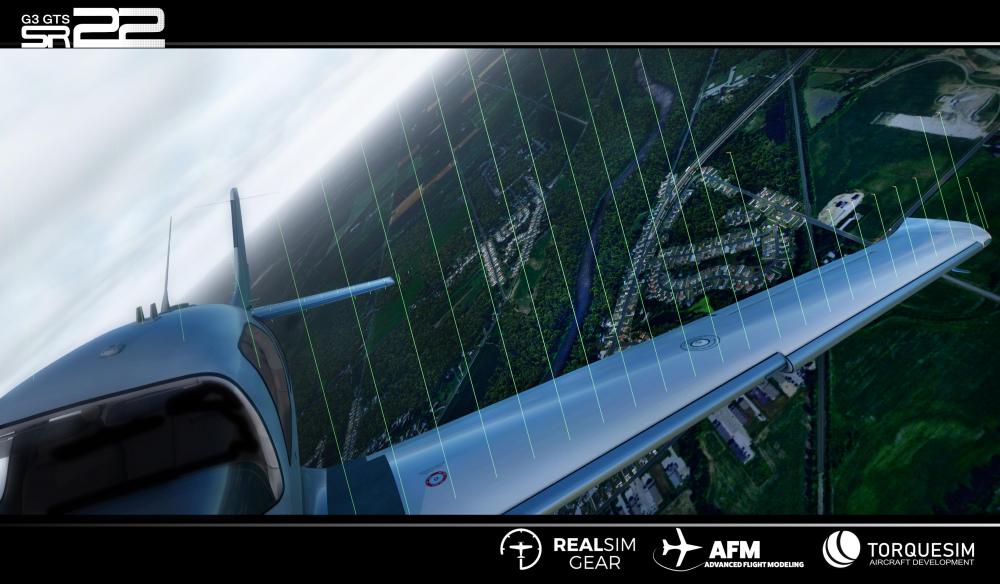
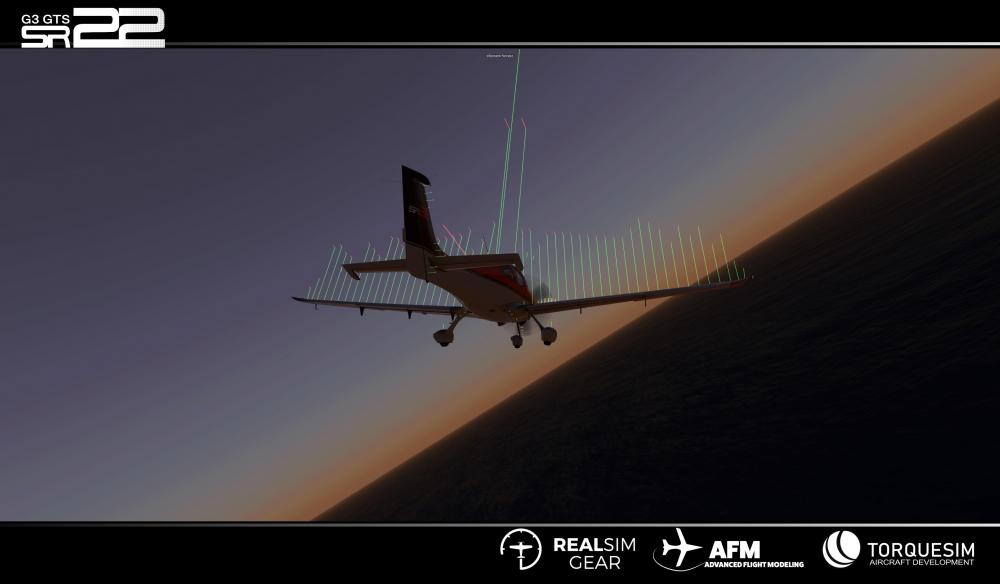
Aerodynamics is one of many reasons why we all love X-Plane. That’s also why, just like with the engine, aerodynamics on the TorqueSim SR22 have been designed to take full advantage of the simulator’s capabilities and get as close as possible to the real world equivalent. Therefore a professional flight model of the SR22 was created by X-Aerodynamics in 2018 – over many months of work using all available resources and documents. It is up to the most recent standards and greatly benefits of the flight model improvements introduced with version 11.41 of the simulator and is ready for 11.50. Key features Highly accurate cruise speeds and rates of climb Precise matching of stall speeds and glide ratio Correct take-off and landing distances Spot-on shape of the aircraft body to supply the most accurate input for X-Plane´s flight model effects Accurate control surface areas and deflections for realistic turn rates Special features A stack of custom airfoils ships with the flight model to resemble the scimitar-shaped propeller as well as the Roncz wing profile introduced with G3 of the SR22 which has some interesting characteristics: Cuffed Wing Design This term refers to the non-continuous leading edge with its characteristic droop on about the outboard half. Thus the outboard section features a lower angle of incidence than the inboard section and is still flying while the inboard part is already stalled. Stall Strips The real wing offers stall strips to complete the cuff effect, and our airfoil polars contain modifications in the places where these are located to accurately account for their effect. Stall strips are small attachments mounted at the leading edge located on the wing´s root, triangular in shape. At high angles of attack, they trip the laminar boundary layer at a location where stall is most favorable to onset, causing earlier flow separation and consequently a sooner stall than on the outer wing portions. Together with the cuffed wing design, the SR22 wing is engineered to stall from inboard to outboard, allowing for maximum roll control and spin prevention way into the stall.


-
Filed a request for it in our system, we will see what we can do!
-
That seems to be something is broken in our system to turn on the audio panel. The flashing seems to be something overriding the audiopanel being turned off. Bug is logged, thanks for reporting!
-
Something might be covering the Gizmo login window. Please try temporarily uninstalling all your other plugins, except for Gizmo, and see if that works. If it doesn't, please send a new log. This seems to be an issue with activation on the Gizmo side, not the G5 side, so I will ping @Cameron as he might have a better idea of what is going on.
-
The way X-Plane rendered landing lights changed a few updates back. We are migrating to the new landing light system (where the lights are placed in the 3D model instead of plane maker) with our migration to an entirely new 3D model.
-
Speed brake button is located on the yoke That is odd about the audio panel. Something definitely is going wrong there. A bug is logged and we will look into it
-
Hi, Currently there is no method to save popout locations. It is planned to get the saved window feature we have made for our G5 with a coming update. Thanks!
-
Most likely one of your other plugins is blocking the window, please back up and try removing these plugins: C:\Users/Roland Flightsim/Desktop/X-Plane 11/Resources/plugins/64/win.xpl (remove the /64 folder) C:\Users/Roland Flightsim/Desktop/X-Plane 11/Resources/plugins/XSaitekProFlight/64/win.xpl The first plugin looks like an improperly installed duplicate of the XSaitekProFlight plugin which could be causing the issue. Let me know how this works!
-
Please provide the log.txt file from when this happens, the file is in the X-Plane 11 main folder
-
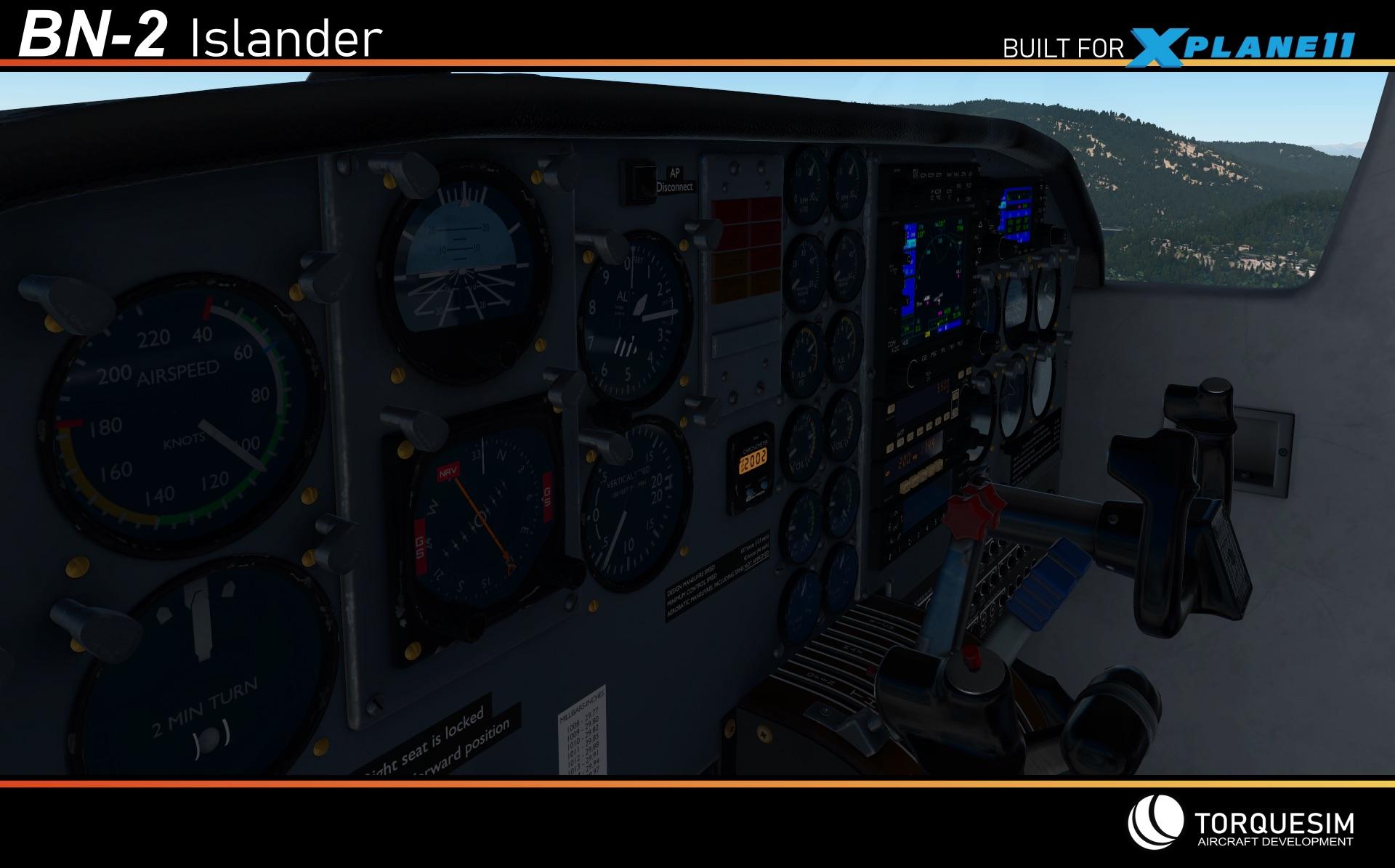
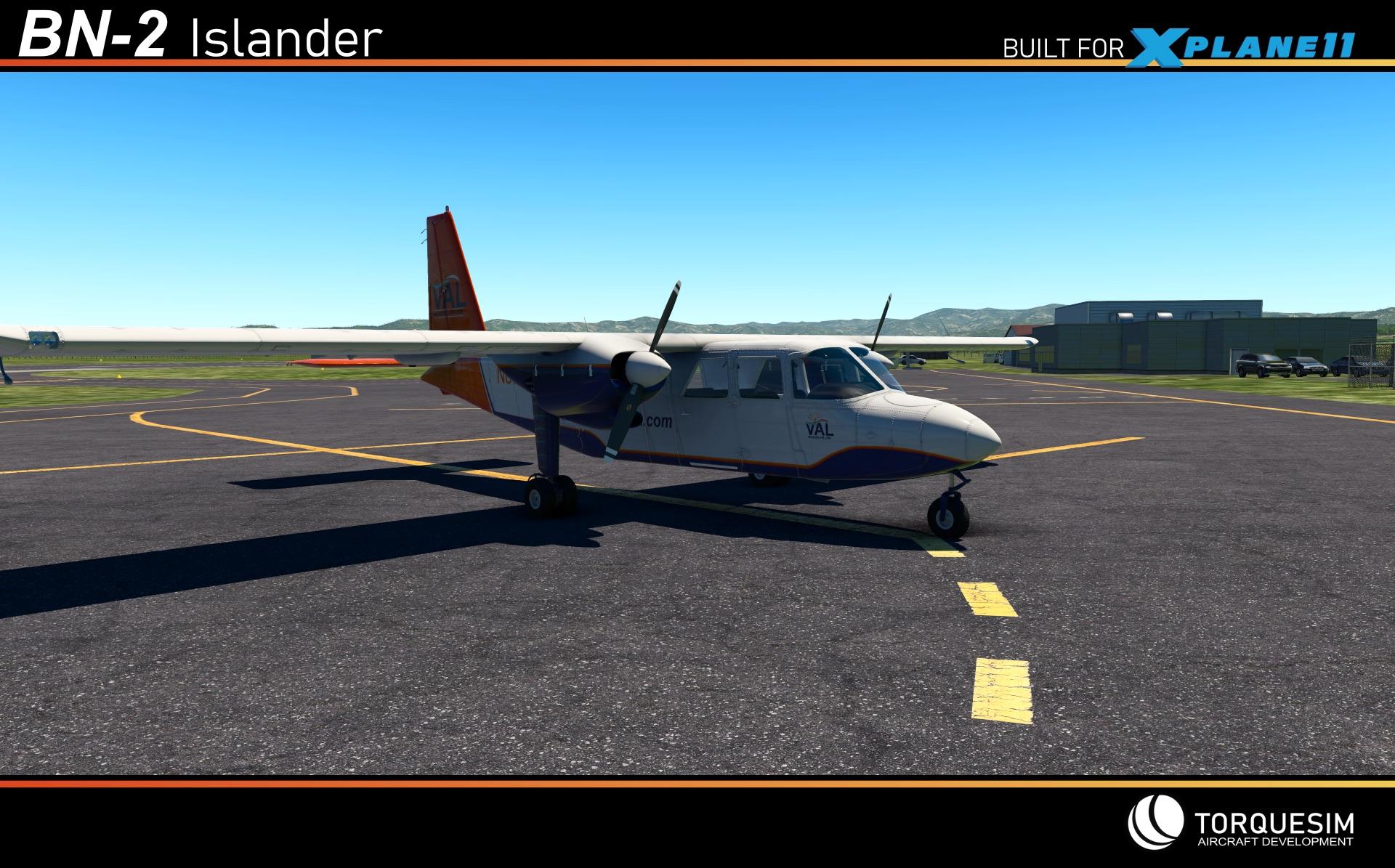
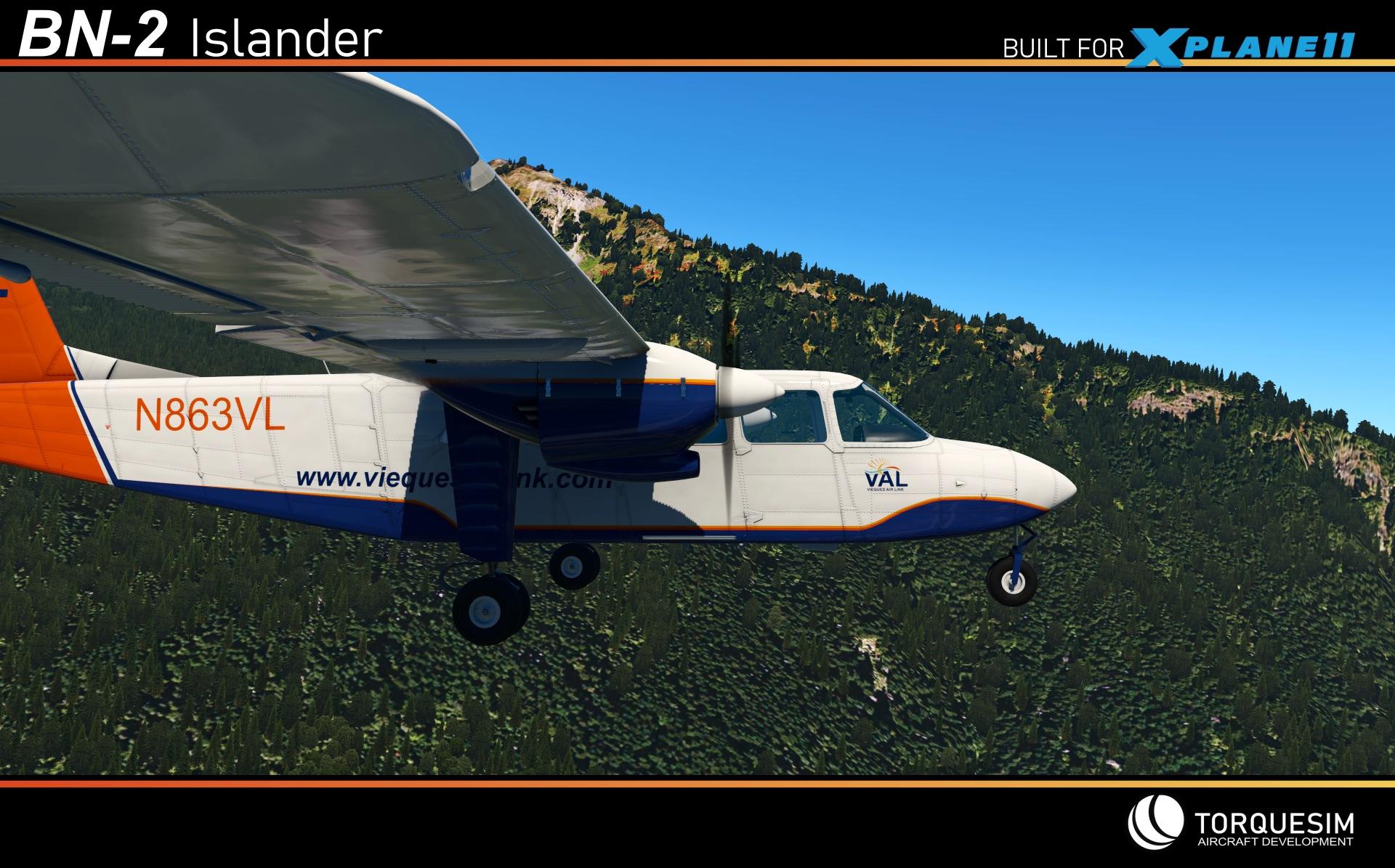
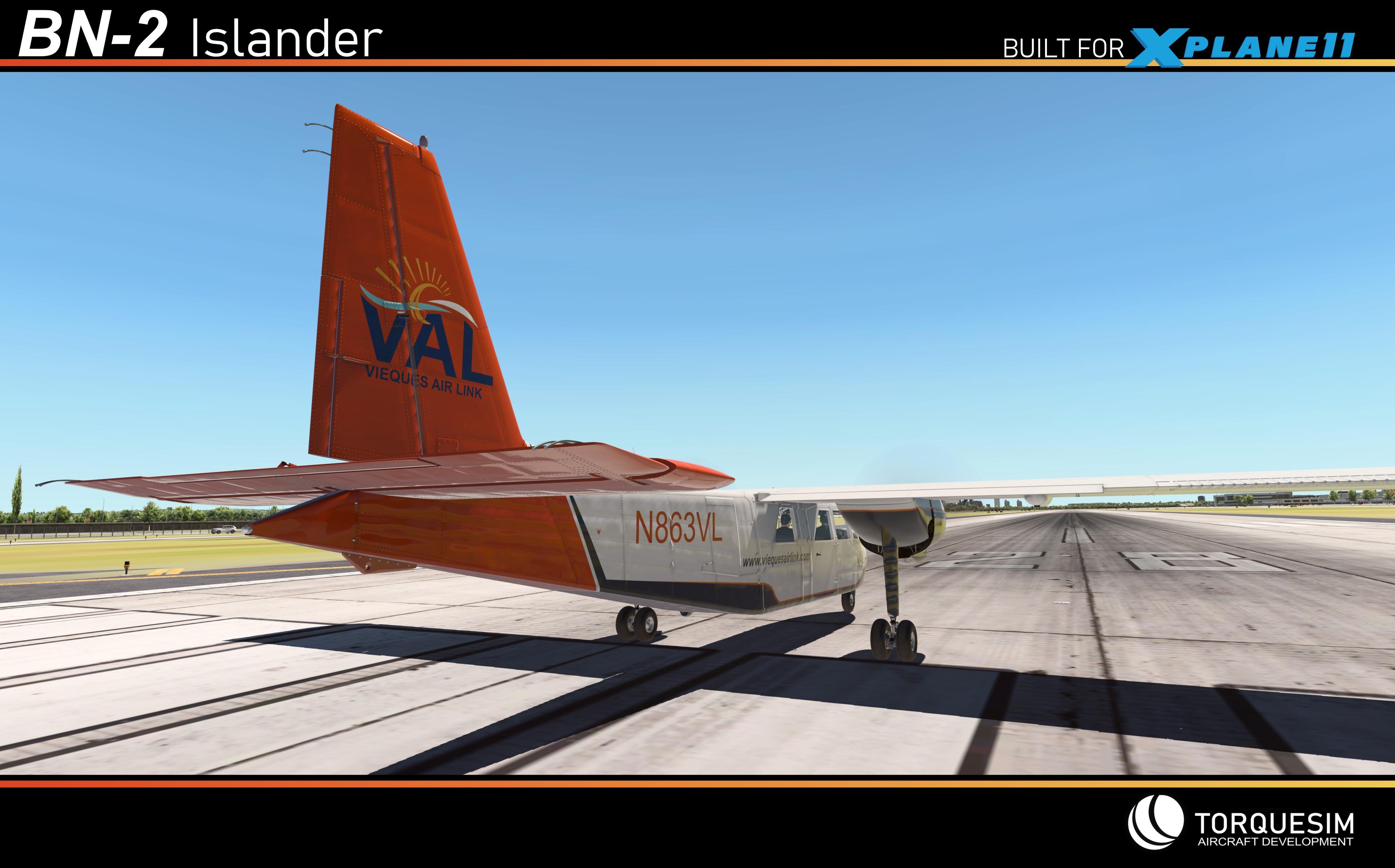
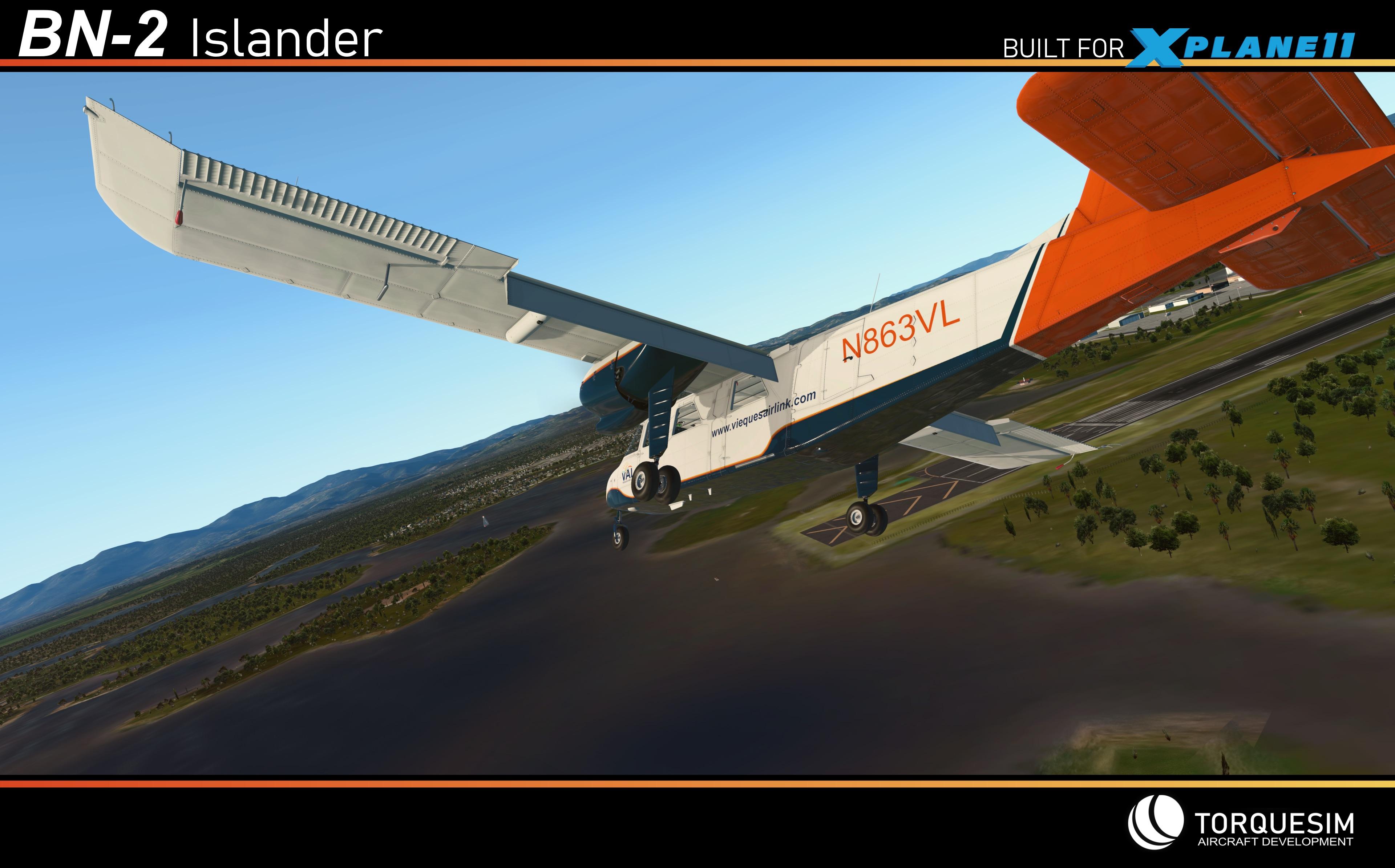
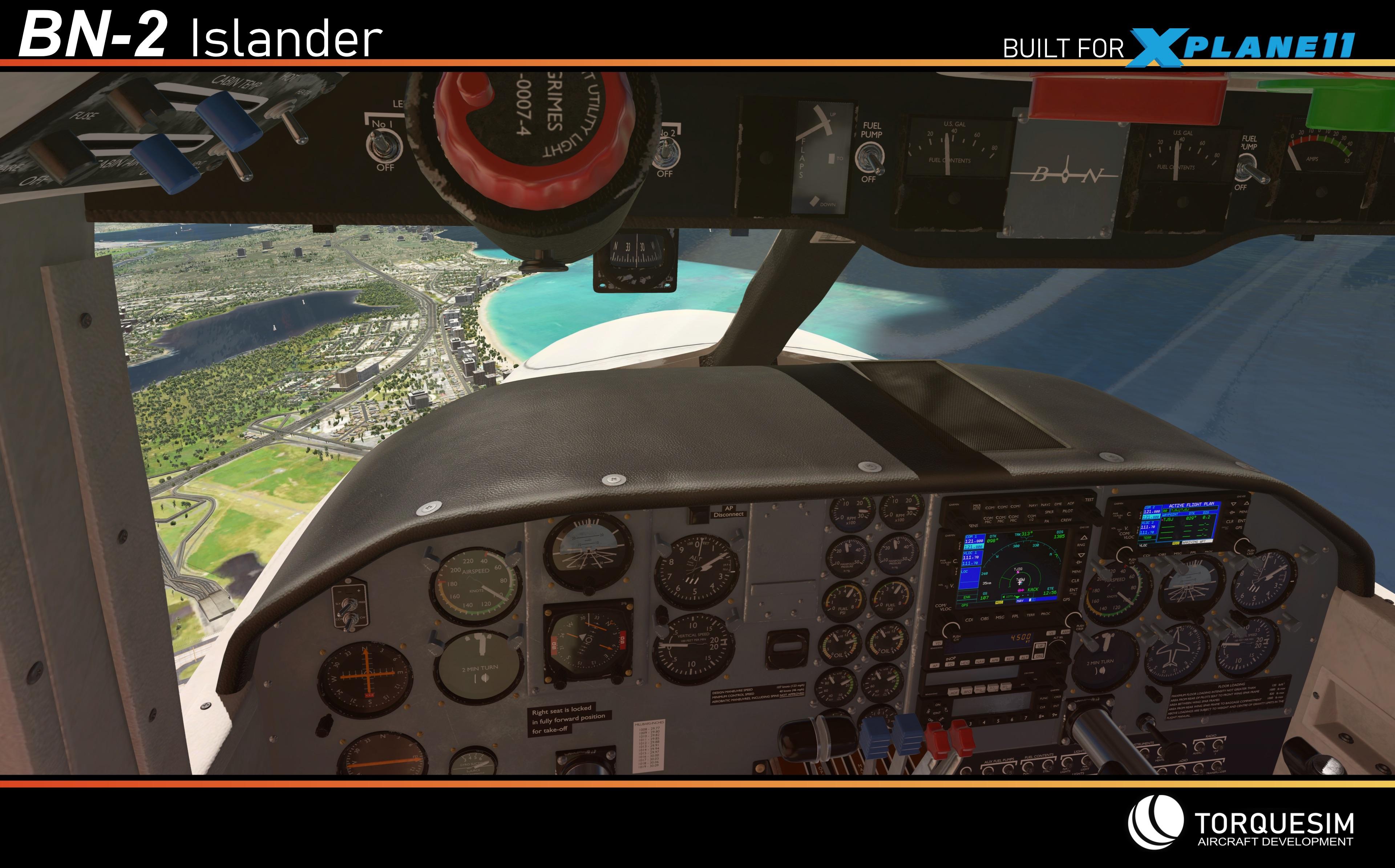
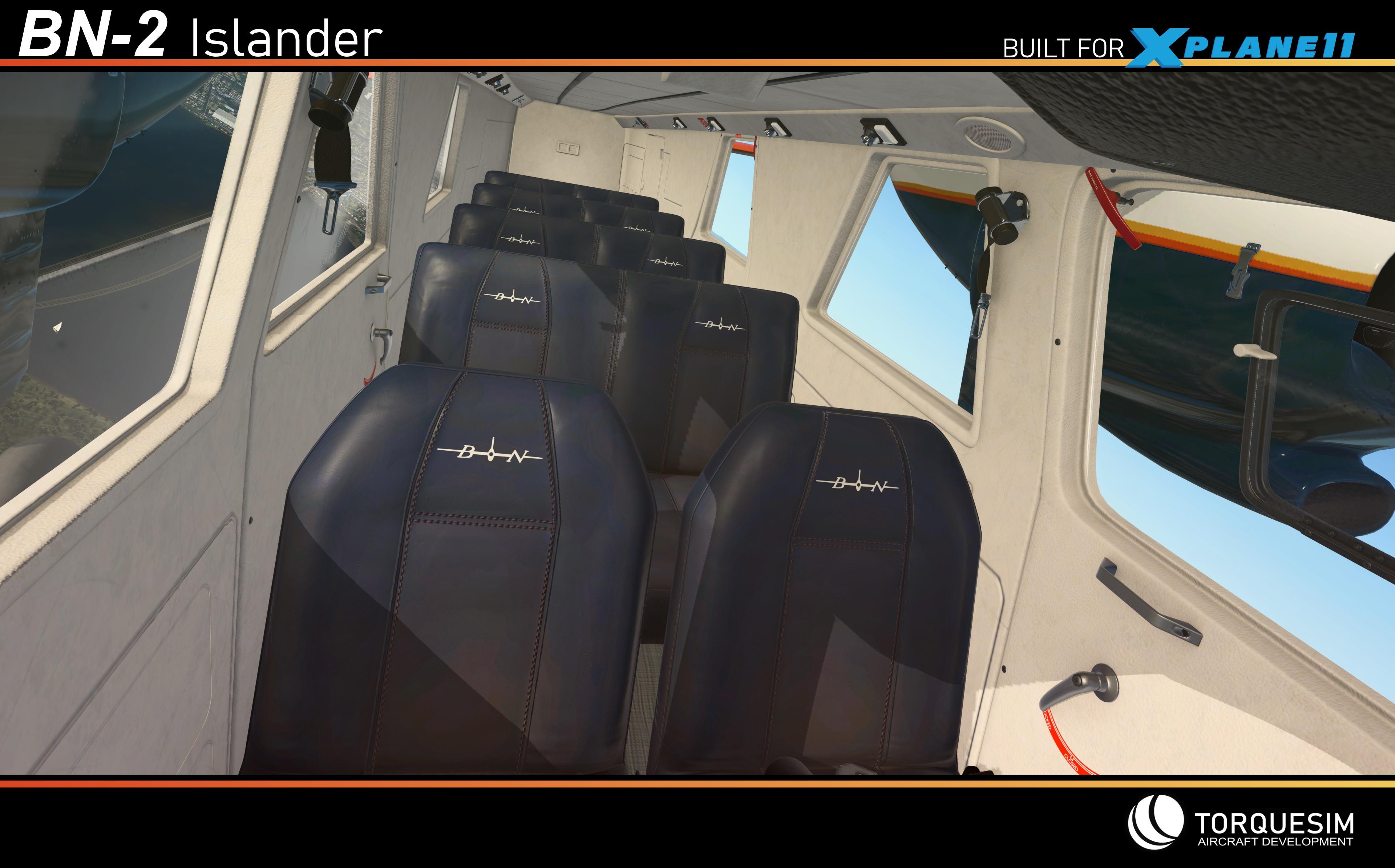
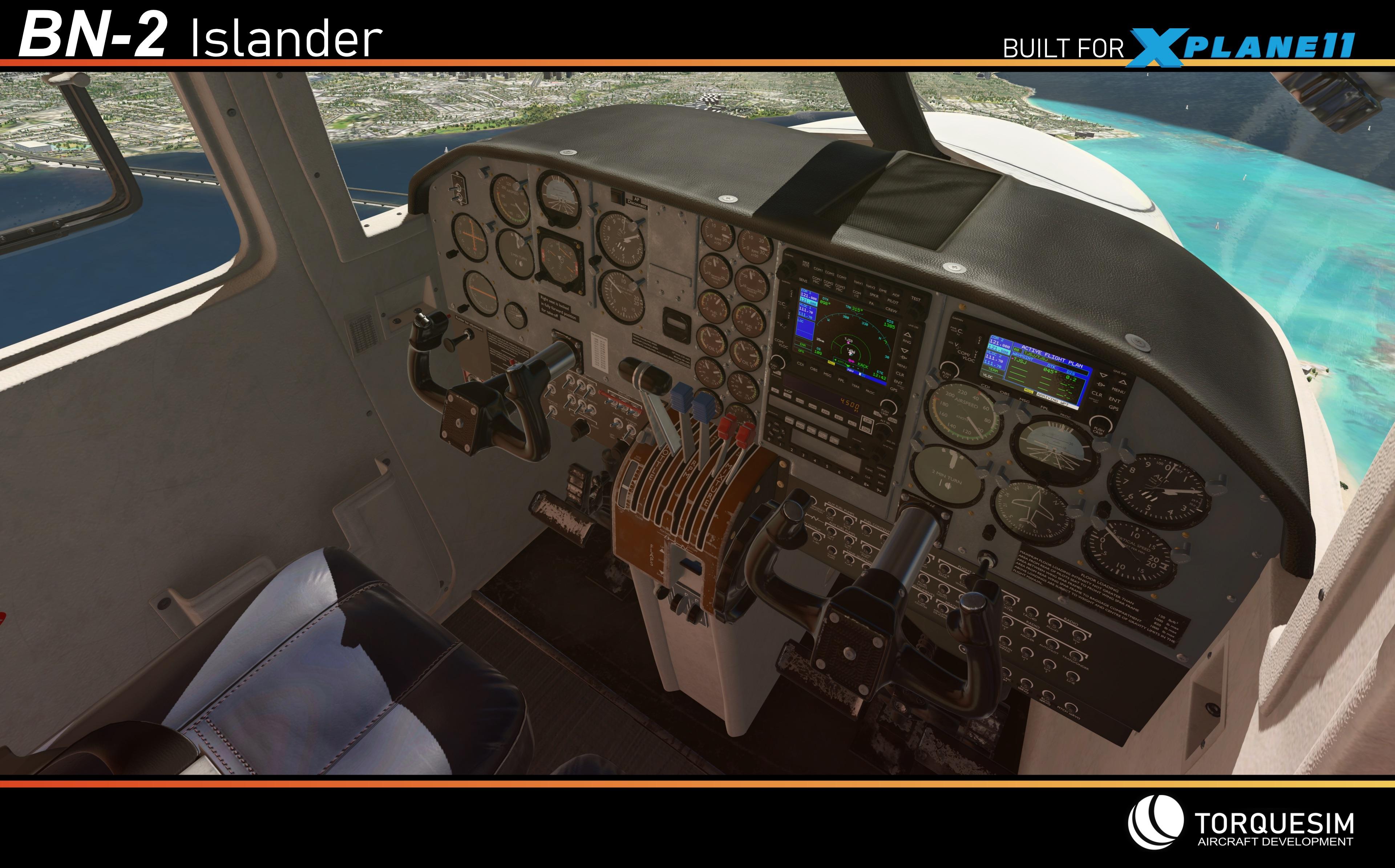
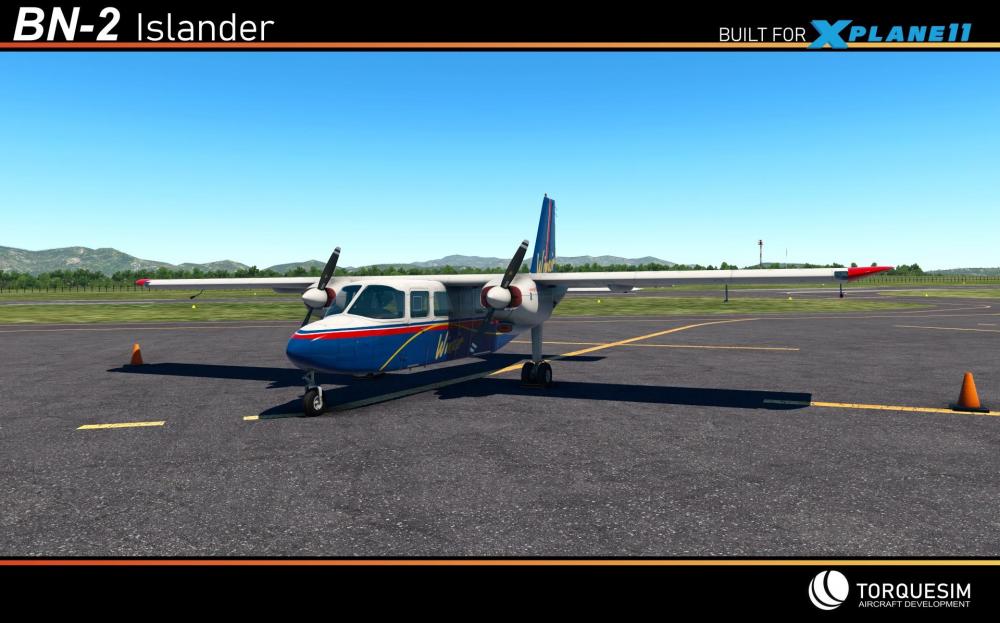
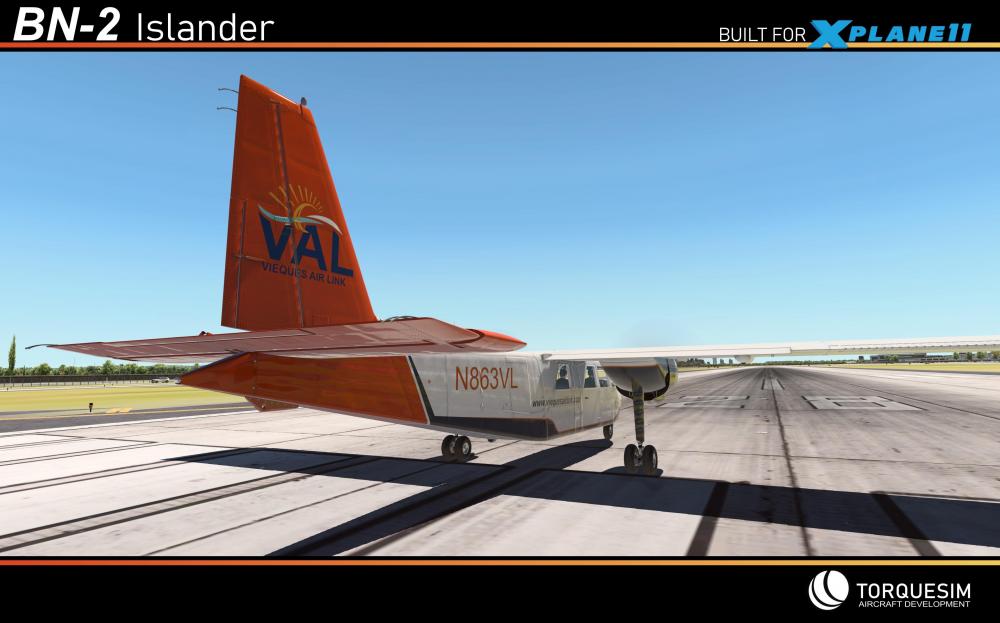
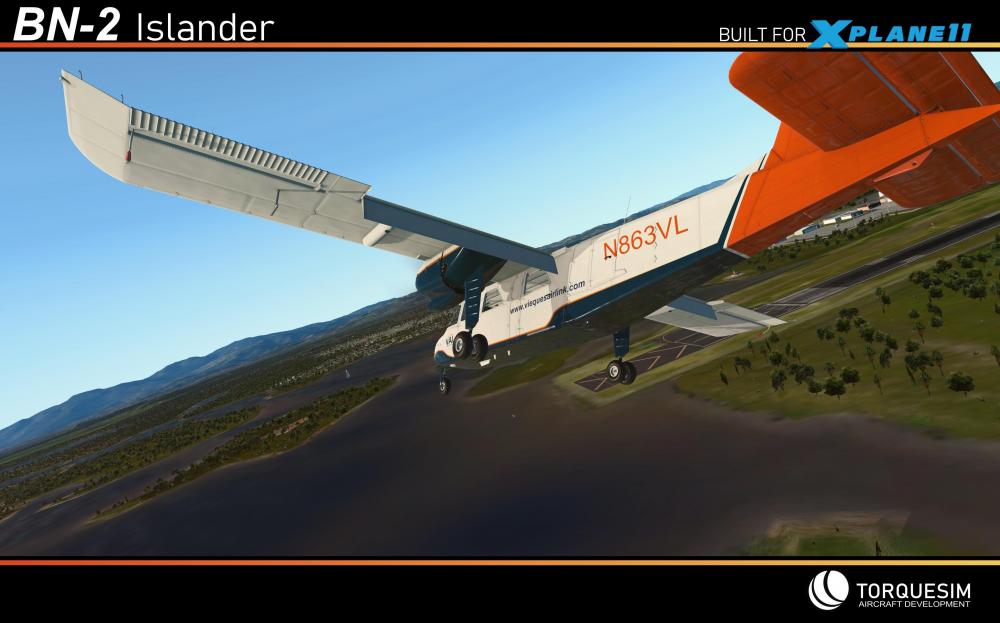
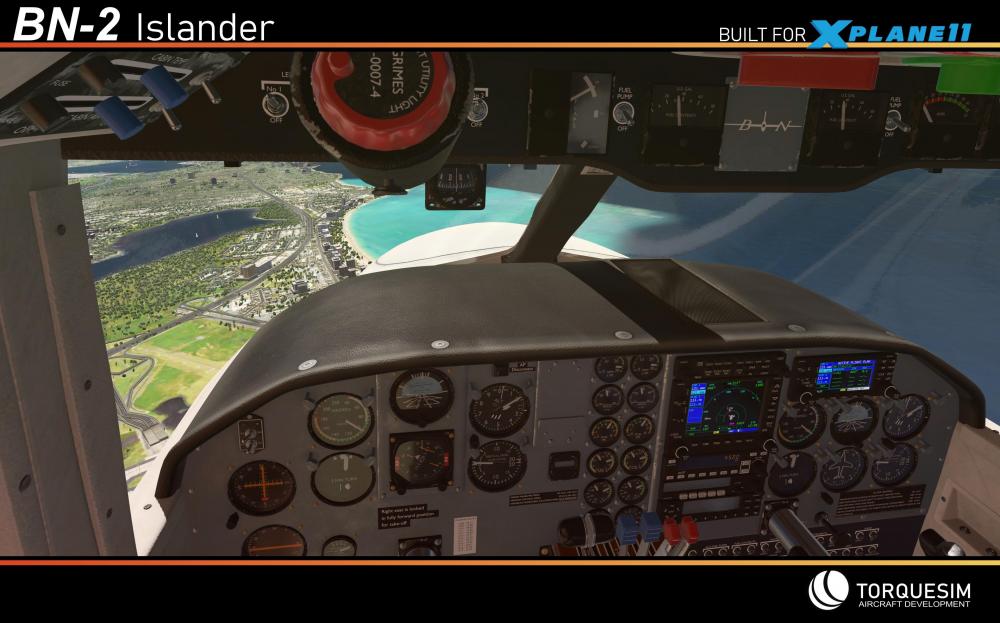
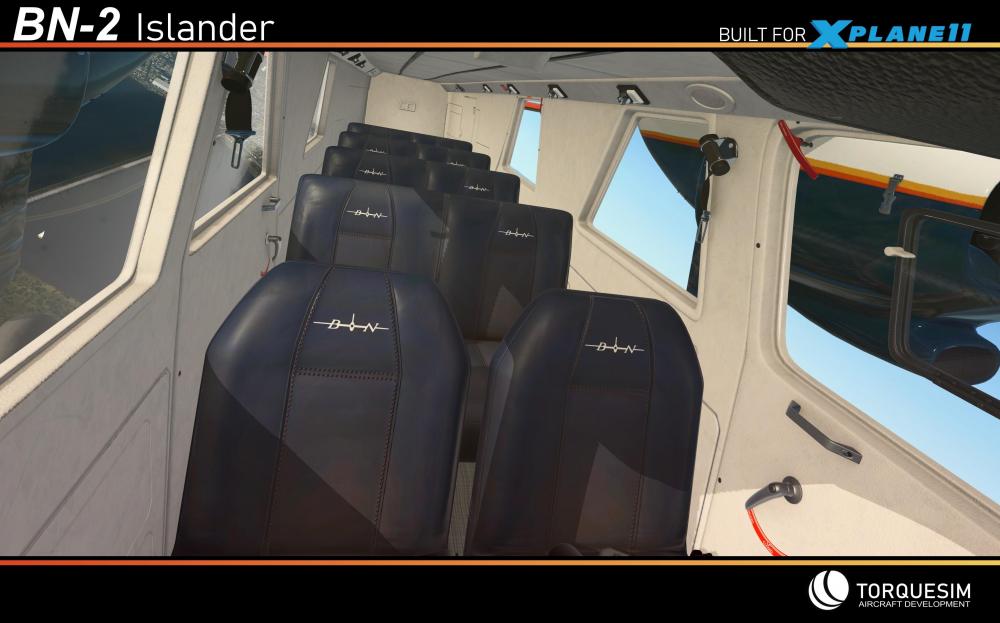
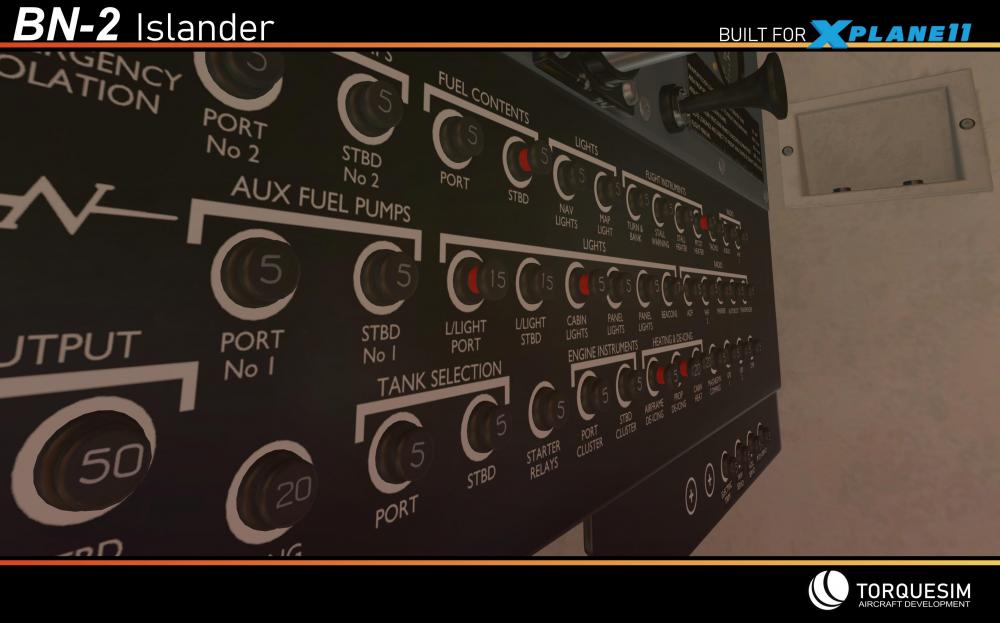
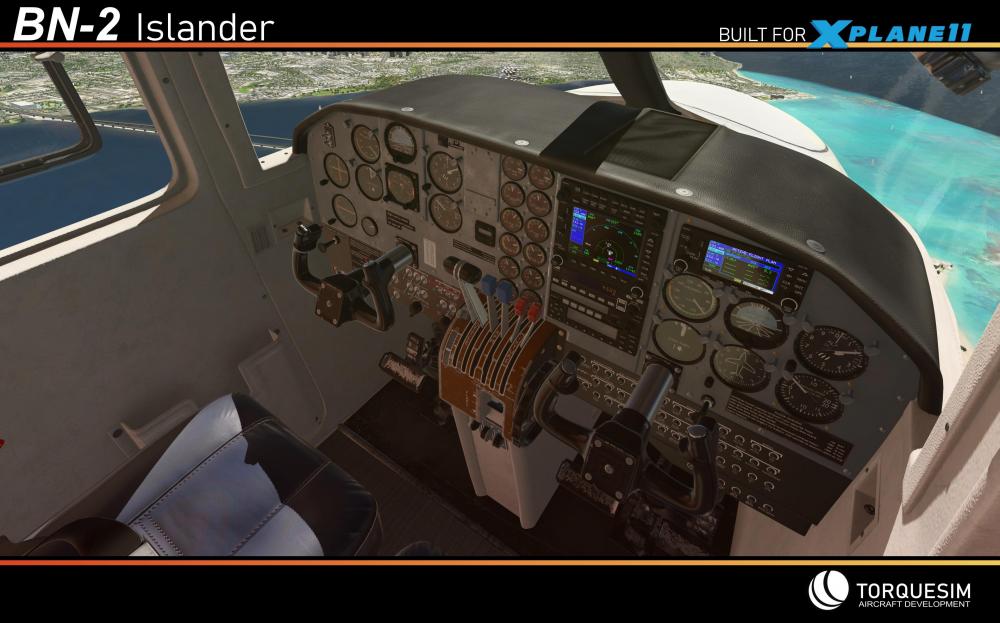
It’s been close to two weeks since we announced the Islander as a TorqueSim project, and we figured it’s time to give you a look at what has happened since. Last time we showed you pictures, our Islander wore Cape Air’s iconic dark blue livery. This week, we’re featuring VAL’s striking orange/blue combo in our exterior shots: What’s more, we’re finally ready to show off the interior and panel. We elected to withhold pictures of these parts the last time, knowing we had yet to add many of the details that give this aircraft its character: The BN-2 has been in service for over half a century, and we wanted our model to reflect some of this history. Islanders fly all over the world. Whether rain or shine, snow, or tropical heat, short jungle strips, or large international airports, these aircraft serve in some of the most difficult conditions known in aviation. For this reason, we’ve added a highly capable avionics package, dual gps, but also the redundancy of full gauge sets for both pilot and copilot. And while our screenshots show off the traditional steam gauges, we have also done testing on a version making use of AFM’s G5 instrumentation. What’s more, our Islander features a full set of circuit breakers with accurate amperages (taken straight from an actual Islander Parts Catalog). They’re integrated with a powerful custom-coded electrical system which far exceeds X-Plane’s in scope and capability. A custom KFC 225 autopilot system and Garmin-like transponder round out the package. She’ll take you anywhere you want to go, reliably. Finally, we’re pleased to announce that beta testing of this project is planned to begin shortly. For more updates, follow this blog, or sign into the AFM Discord server. We’ll also be sharing some unpublished screenshots on our server, and we’re always available for questions, suggestions, or just to chat. Stay safe in these trying times, friends. Our thoughts go out to all of you, and we hope this crisis will be over soon.
-
Starter switch is located underneath a cap on the mixture control lever Beta and reverse use default X-Plane interface to enter beta and reverse. If the TBM uses custom commands those wouldn't work, but the default commands should.